
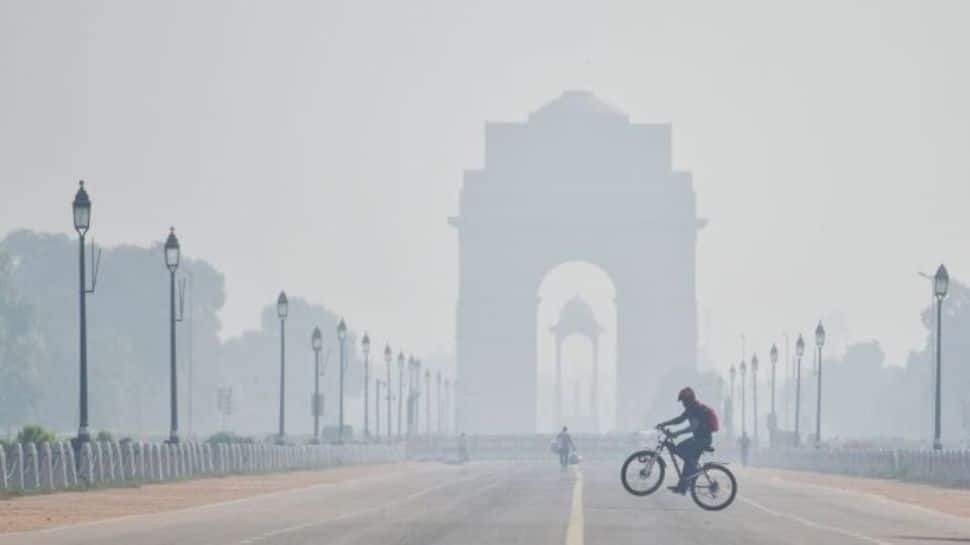

Delhi is currently battling an extreme air pollution crisis, with its Air Quality Index (AQI) hitting a dangerous 764, a level vastly exceeding Beijing’s peak of 236. This stark difference between two major economic centers is alarming, especially considering Delhi’s historical AQI levels that have sometimes reached 1000 or more. The invisible threat of PM2.5 and PM10 particles, far exceeding WHO guidelines, infiltrates the lungs, leading to severe health problems and premature deaths. India tragically accounts for a significant portion of the world’s most polluted cities, and Delhi often finds itself at the top of these grim rankings. The primary contributors to Delhi’s smog, particularly from October to February, include a complex mix of vehicular emissions, industrial discharge, construction dust, agricultural waste burning, and unfavorable meteorological conditions that trap pollutants. The city’s public health is critically impacted, with children and vulnerable populations bearing the brunt. Beijing’s experience offers a compelling model for how such a crisis can be managed. Over a decade, China implemented a robust “war on pollution,” characterized by decisive policy changes, significant financial investment, and extensive regional cooperation. They systematically dismantled polluting industries, eliminated coal power, and aggressively promoted cleaner energy sources and electric transportation. Beijing also established an extensive network of air quality monitors, ensuring transparency and public engagement. Collaboration with neighboring provinces was key to addressing pollution sources beyond the city limits. Delhi’s current interventions, including temporary measures like vehicle rationing and school closures, while necessary, seem to be short-term fixes. The government’s commitment to expanding public transit and promoting electric vehicles is a step in the right direction. However, achieving lasting change requires a sustained, integrated strategy that prioritizes regional coordination, strict regulatory enforcement, and proactive public awareness campaigns, much like Beijing’s successful transformation.