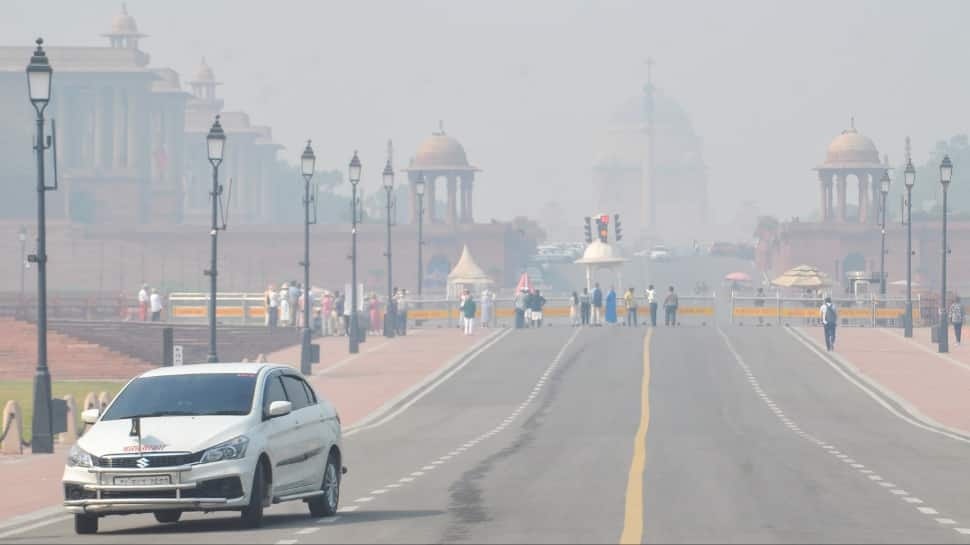

Delhi is now breathing some of the most polluted air of the season, with its Air Quality Index (AQI) breaching the ‘severe’ mark and exceeding 400 on Tuesday. Residents are grappling with the health impacts of the toxic smog, including exacerbated respiratory problems and eye irritation. This sudden deterioration has triggered the implementation of GRAP Stage III, bringing significant anti-pollution measures into effect across the National Capital Region (NCR).
The Central Pollution Control Board (CPCB) confirmed the 24-hour average AQI at 428, marking a significant uptick in pollution levels not seen since last December. The Commission for Air Quality Management (CAQM) has officially invoked the Graded Response Action Plan (GRAP) Stage III to combat this escalating air emergency.
Under GRAP Stage III, a broad spectrum of restrictions is now active. This includes an immediate cessation of all non-critical construction and demolition activities throughout Delhi-NCR. The movement of specific vehicles is also curtailed, with BS-III petrol and BS-IV diesel four-wheelers banned from operating in Delhi and key NCR areas. To protect vulnerable students, primary schools up to Class V have shifted to online or hybrid learning formats.
Meteorological factors are playing a crucial role in trapping pollutants at ground level. Low temperatures, coupled with minimal wind speeds, have created a stable atmospheric layer that prevents pollutants from dispersing. This has resulted in a sharp decline in visibility, dropping to a mere 600 meters at Safdarjung observatory. Although forecasters predict a slight increase in wind speed on Wednesday that might move the AQI to ‘very poor’, it is expected to remain in that category through Friday. Experts emphasize the critical need for integrated, emergency-level responses addressing all emission sources, from local industries to regional agricultural burning, to effectively tackle this air quality crisis.