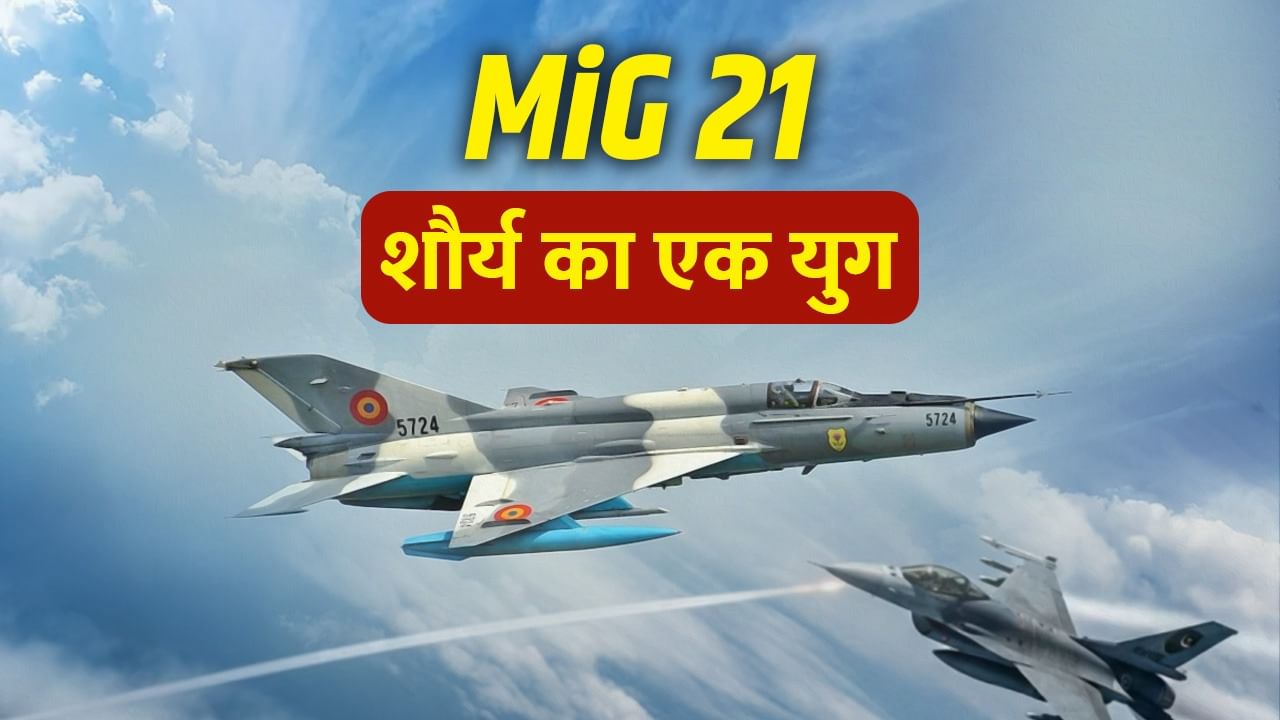

The MiG-21, a symbol of courage and a mainstay of the Indian Air Force for six decades, is preparing for its final flight, marking the conclusion of a remarkable period. This aircraft was more than just a fighter; it was a symbol of India’s valor, defending the nation in numerous conflicts. The MiG-21’s significance in safeguarding India is highlighted by its long service record, from the 1965 war to Operation Safed Sagar. On September 26, the Indian Air Force will officially retire its last MiG-21 fighters in Chandigarh. The limited remaining MiG-21 squadrons flew their final operational missions from the Nal Air Force Base in Rajasthan. The introduction of the MiG-21 into the Indian Air Force in 1963 was a critical response to the 1962 India-China war. The MiG-21 became one of the most advanced aircraft of its era. The aircraft was continually upgraded, and in 1971, HAL began manufacturing the MiG-21 in India. During the 1971 India-Pakistan war, the MiG-21 played a significant role and it also played an important part in the 1999 Kargil conflict and the 2019 Pulwama attack. Despite its distinguished record, the MiG-21 was also known as the ‘Flying Coffin’ due to the high number of crashes. The retirement of the MiG-21 was delayed as the replacement program faced several postponements, but the LCA Tejas Mk.1 and Mk.1A have finally enabled a replacement.