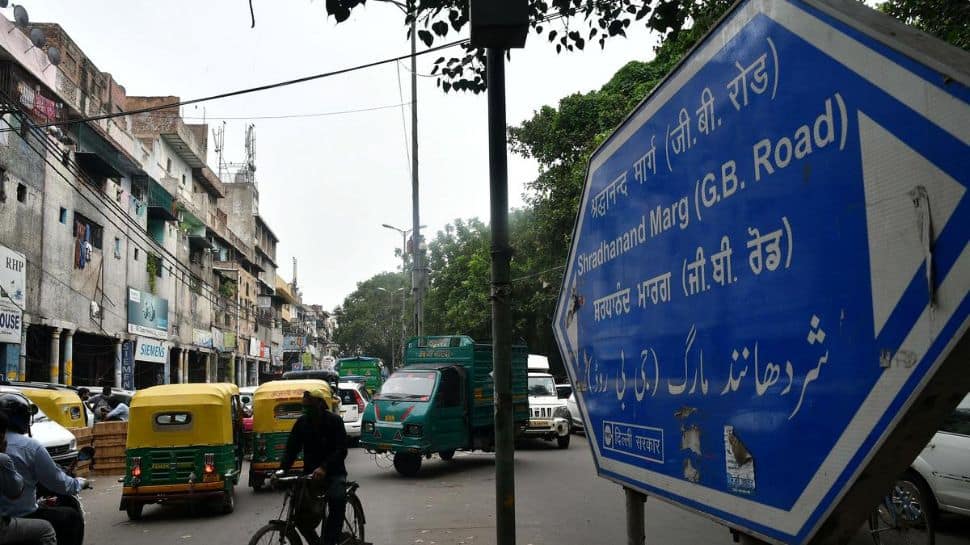

The infamous GB Road in Delhi, officially known as Garstin Bastion Road and presently Shraddhanand Marg, carries a historical legacy far more profound than its current designation as a red-light district suggests. While hundreds of women still reside and work in the upper rooms of its shops, a glimpse into the past reveals its origins as a significant hardware marketplace and, even earlier, a sanctuary for women from the Mughal royal court.
Centuries ago, during the zenith of Mughal rule, this very street offered solace to women who had been part of Emperor Shah Jahan’s harem. Stories abound of these women, once close to the emperor, being cast out as their youth waned or they lost favor. GB Road became their sanctuary, a place where they could build new lives after their fall from grace.
The street’s transformation accelerated during the British Raj. As authorities sought to regulate and centralize vice districts, they consolidated smaller red-light areas into GB Road. This administrative decision irrevocably altered the street’s character, turning it into a focal point of what was considered illicit, a stark contrast to its historical role as a refuge.
Today, the ground floor of GB Road continues to thrive as a busy commercial hub, filled with hardware and electrical stores, connecting key Old Delhi areas like Chandni Chowk. However, the stories held within its upper levels speak of a continuous thread of human experience, of survival across centuries, empires, and societal shifts. Garstin Bastion Road is more than just a street; it’s a living archive of Delhi’s layered history, holding tales of power, loss, and enduring resilience.

.jpeg "Featured Image")