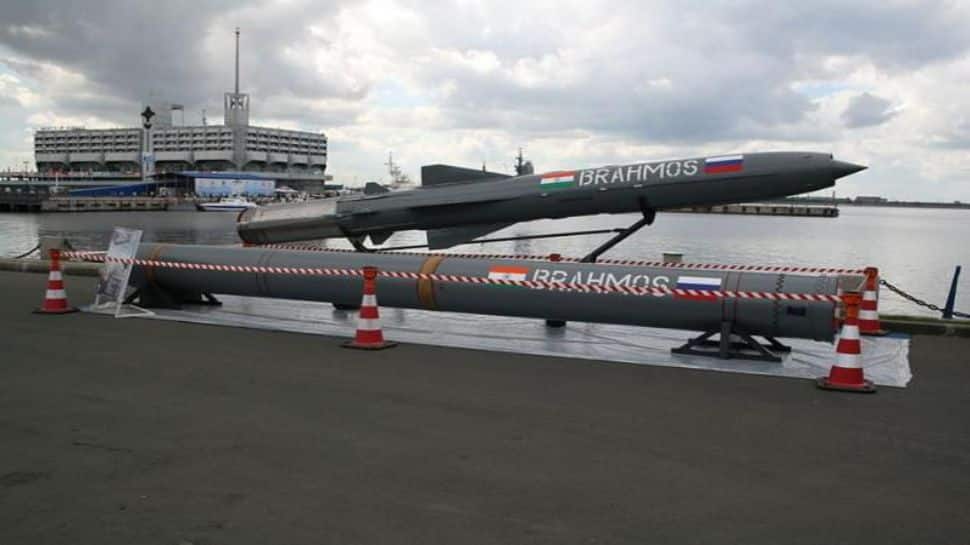

Preparations for a major missile test by India near the Andaman and Nicobar Islands are being overshadowed by the presence of three Chinese surveillance vessels in the Indian Ocean. A formal Notice to Air Missions (NOTAM) had previously declared a no-fly zone over a significant stretch of the Bay of Bengal, indicating a high-priority strategic exercise, likely involving the BrahMos missile.
However, intelligence reports and satellite tracking have revealed the intrusion of Chinese surveillance ships, which have strategically positioned themselves in proximity to the operational area. Two of these vessels are uncomfortably close to the Andaman and Nicobar chain, while a third is loitering near the Maldives, ostensibly for ‘research’ but widely recognized as a mission of strategic reconnaissance.
These Chinese maritime assets are equipped with advanced technology for deep-sea mapping, submarine tracking, and the interception of airborne weapon systems. Their proximity to India’s missile test zone raises significant concerns about the potential for intelligence gathering. There is a palpable risk that these vessels could collect vital data on signal patterns, launch trajectories, and other sensitive information related to the missile trial, compromising India’s defense capabilities.
Sources within the defense establishment suggest that India may be forced to delay the missile test if the Chinese ships do not vacate the area. The designated test site, extending up to 490 kilometers from the islands, points towards a potential trial of the extended-range variant of the BrahMos anti-ship cruise missile, a weapon known for its speed and destructive power against naval targets.
The identified Chinese vessels include the Xi Yan 6, a recent entrant into the Indian Ocean, and the Shen He Yi Hao. The Lian Hai 201 is also active near the Maldives, conducting seabed surveys. Despite Beijing’s classification of these as research ships, defense analysts assert they are integral to China’s intelligence network, supporting military objectives under the guise of oceanographic studies.
This development underscores the escalating geopolitical dynamics in the Indian Ocean. India’s security apparatus is closely monitoring the movements of the Chinese fleet, mindful of the implications for its long-term maritime strategy. The fate of the upcoming missile test now hangs in the balance, dependent on the diplomatic and strategic responses to China’s calculated presence in the region.