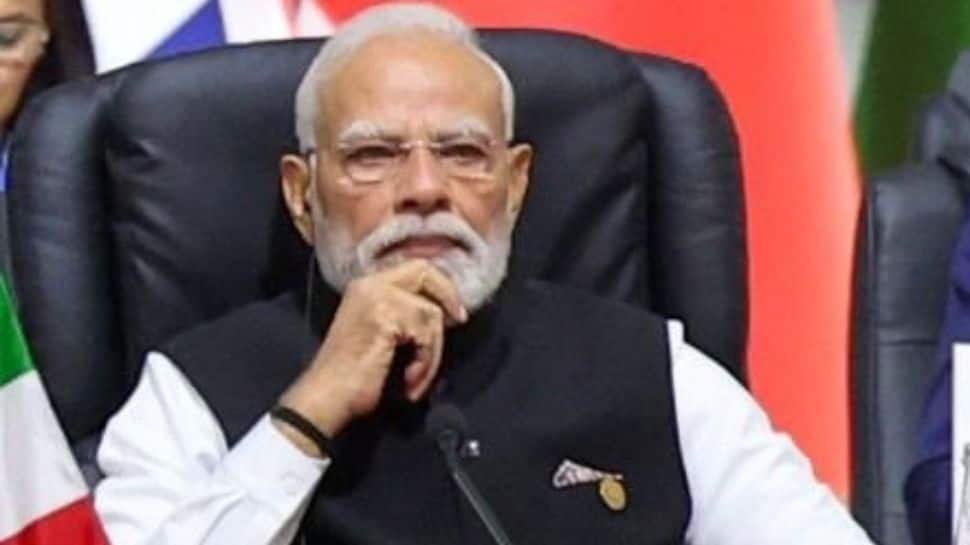

Prime Minister Narendra Modi spearheaded India’s contributions at the G20 Leaders’ Summit in Johannesburg, advocating for a new era of inclusive and sustainable economic growth. In his address, Modi emphasized the need to rethink global development parameters, particularly in light of Africa’s historic hosting of the summit. He proposed that India’s long-standing philosophy of ‘Integral Humanism’ offers a valuable framework for achieving growth that benefits all and respects the environment. A cornerstone of India’s proposal is the creation of a ‘G20 Global Traditional Knowledge Repository.’ This ambitious project aims to collect, document, and share invaluable traditional knowledge from various communities worldwide that have successfully maintained eco-balanced and socially cohesive lifestyles. By building on India’s Indian Knowledge Systems, the repository will serve as a global archive of sustainable practices, ensuring this vital wisdom is preserved and passed down. Modi highlighted its potential to contribute significantly to global health and well-being. Focusing on empowerment, the Prime Minister also introduced the ‘G20–Africa Skills Multiplier Initiative.’ He noted the shortcomings of traditional economic models that have excluded vast populations and contributed to environmental damage, issues particularly pronounced in Africa. This initiative seeks to address this by setting a collective goal to train a million certified trainers in Africa over the next decade, fostering vocational skills and economic independence through a collaborative train-the-trainers approach. In a move to bolster global security, India presented a proposal for a ‘G20 Initiative on Countering the Drug–Terror Nexus.’ Modi drew attention to the pervasive threat of synthetic drugs such as fentanyl, warning of their devastating impact on societies and international stability, and calling for a united front against this dangerous nexus. Furthermore, India advocated for the establishment of a ‘G20 Global Healthcare Response Team,’ a dedicated unit of medical professionals ready for immediate deployment during health emergencies, reinforcing the importance of international cooperation in safeguarding global health.