

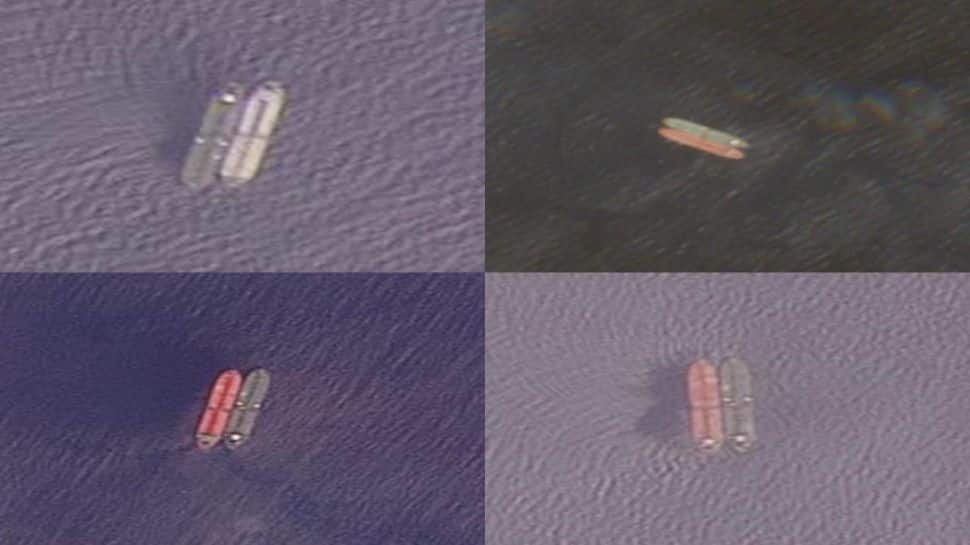

India has employed a clever maritime strategy to secure discounted Russian crude oil, effectively bypassing international sanctions. By utilizing ship-to-ship (STS) transfers in international waters near the Gulf of Oman, the country ensures a steady and affordable energy supply without legal repercussions or increased domestic prices. Analysis of recent satellite imagery has confirmed these discreet mid-sea transfers of crude oil, valued at approximately $280 million between July and September. The oil originates from Russian northern ports and is destined for a western Indian terminal, feeding into the Guru Gobind Singh Refinery in Punjab. This refinery is a cornerstone of India’s energy independence, and its connected pipeline network plays a critical role in maintaining domestic market stability against global price swings triggered by geopolitical tensions and international restrictions. Maritime tracking data indicates that several vessels previously subject to sanctions have sailed from Murmansk, Russia, to the Gulf of Oman. In international waters, these ships reportedly deactivate their AIS tracking systems before meeting with Indian-bound carriers. Satellite images pinpoint these rendezvous points about 40 nautical miles east of Oman’s Sohar coast, a location recognized for legitimate global trade transfers. Indian carriers reportedly design their routes to comply with maritime law, signaling routine voyages between India and Oman to uphold navigation norms while safeguarding national energy interests. Once the transfer is complete, the crude sails onward to India, where it enters the domestic supply chain through legal customs channels. This operational method, while attracting scrutiny from Western entities, is viewed within India as a testament to practical diplomacy. It allows India to procure affordable energy in a volatile market without violating sanctions, acting in its own best interest. Each shipment adheres to international maritime safety standards and occurs beyond national jurisdictions. This offshore routing model provides a buffer against the uncertainties of overland and direct trade routes, enabling refineries to operate smoothly and consumers to remain insulated from price shocks. While officials are maintaining silence, industry insiders suggest these operations highlight India’s growing prowess as a maritime negotiator, adept at balancing geopolitical pressures with domestic energy needs. The use of neutral-flagged vessels and offshore handovers, though not novel, has been adapted with exceptional precision to current sanctions regimes, demonstrating strategic sophistication. Western regulators face the challenge of uneven enforcement of sanctions, partly due to European energy import reliance. In contrast, India has maintained its import strategy within legal parameters, securing energy for its vast population and industrial sectors. The consistent objective for India is securing affordable oil, ensuring an uninterrupted supply, and preserving its autonomy in international trade decisions—a tactical approach observers deem ‘strategy’.