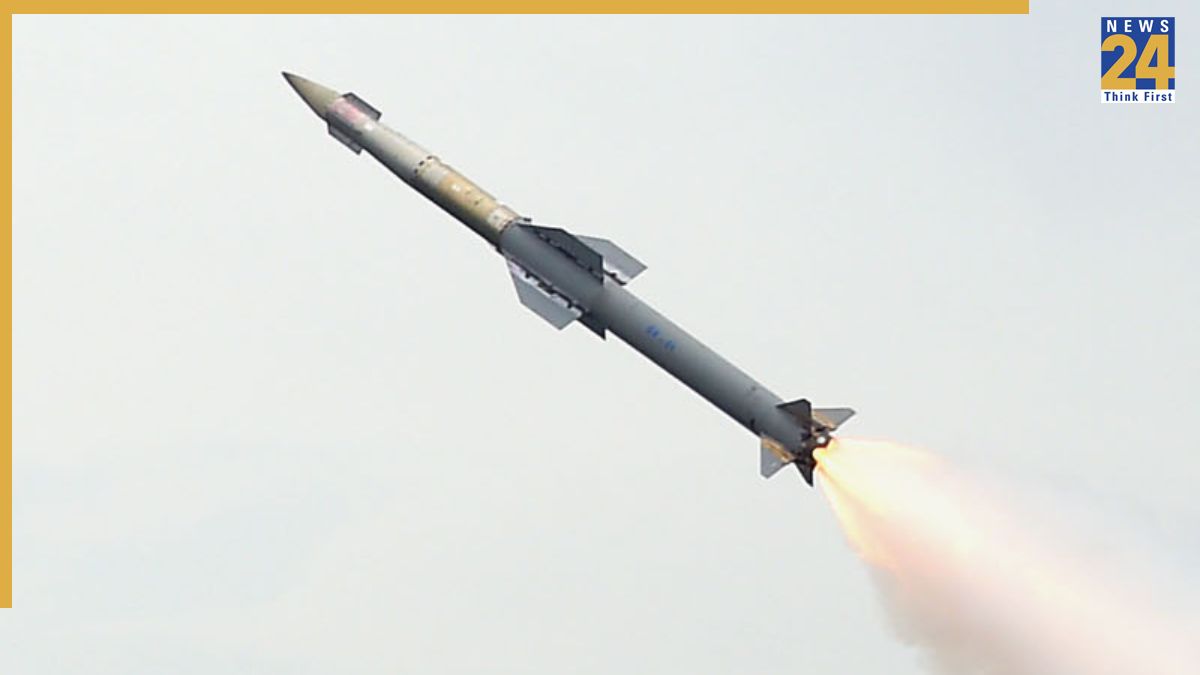

The Indian Army is set to incorporate the indigenously developed ‘Anant Shastra’ air defense missile system to improve its air defense capabilities along the borders with Pakistan and China. The Army has issued a tender to Bharat Electronics Limited (BEL) for the purchase of five to six regiments of this system. This project, with an estimated cost of Rs 30,000 crore, aims to enhance the Army Air Defence. The ‘Anant Shastra’ system, formerly recognized as the Quick Reaction Surface to Air Missile system, will be deployed after approval from the Defence Acquisition Council, post-Operation Sindoor. The system offers high mobility, capable of searching, tracking, and engaging targets on the move and during short halts. It has a range of approximately 30 km and is designed to work in conjunction with existing systems like MRSAM and Akash. The performance of the missile system has been thoroughly tested in both day and night operational scenarios. The Army’s Air Defence units have previously relied on various systems, including L-70 and Zu-23 air defense guns, along with Akash, MRSAM, Spyder and Sudarshan S-400 systems. Future upgrades to the Army Air Defence include new radars, very short-range air defense systems, along with jammers and laser-based systems to combat drones. Army Chief Gen Upendra Dwivedi is promoting increased indigenization in the force, with the Zorawar light tank and other air defense systems in the pipeline.