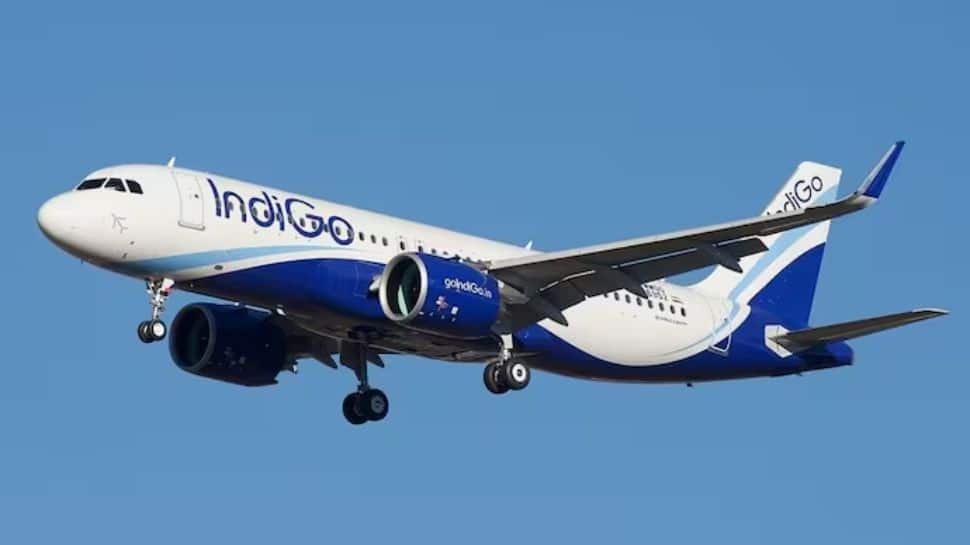

A wave of travel disruption swept across India this week, leaving thousands of passengers stranded as IndiGo, the nation’s largest carrier, was forced to cancel over 200 flights and significantly delay many more. Airport terminals became scenes of frustration and confusion, with check-in counters overwhelmed and flight information displays a constant source of bad news. The airline faced one of its most significant operational breakdowns in years.
The chaos was not the result of a single failure but a potent combination of circumstances. Key contributing factors included a critical shortage of pilots and cabin crew, the ripple effects of new flight duty time limitation (FDTL) regulations, technical malfunctions at major airports, and the heavy congestion common during the winter travel season.
The most immediate pressure point was the availability of crew. Since November 1, stricter FDTL rules have been in effect, limiting pilot duty hours and mandating extended rest periods. Aviation insiders reveal that these new regulations have led to a deficit in eligible crew members, forcing the grounding of numerous flights. In several instances, the inability to assign pilots to subsequent flights due to rest requirements resulted in the cancellation of entire sequences.
IndiGo’s operational model, characterized by a dense network of over 2,200 daily flights and a significant nocturnal component, proved particularly susceptible to the revised FDTL norms. The airline had to undertake a massive task of rebuilding its flight rosters and adjusting schedules to comply with the new rules. The scheduling systems reportedly struggled to adapt, leading to immediate crew shortages on high-traffic routes.
Further exacerbating the situation, technical issues plagued check-in and departure control systems at both Delhi and Pune airports on Tuesday. These system failures disrupted flight schedules, caused missed departure slots, and hampered the efficient rotation of aircraft. Given IndiGo’s highly interconnected flight network, minor delays at these critical hubs quickly escalated into widespread operational disruptions.
The winter season typically sees an increase in passenger traffic and is prone to weather-related disruptions like fog. Major Indian airports were already operating at their maximum capacity, leaving IndiGo’s tightly scheduled operations with little resilience to absorb additional delays. The day’s disruptions began early and steadily worsened, leading to a dramatic decline in the airline’s on-time performance, which reportedly dropped to 35% on Tuesday, affecting over 1,400 flights. The Directorate General of Civil Aviation (DGCA) also noted 1,232 cancellations across the month of November.
The DGCA’s updated FDTL regulations are a safety measure to ensure better crew well-being. They include extended weekly rest, stricter daily, weekly, monthly, and annual duty limits, and a reduction in night landings. For instance, pilots are capped at eight flight hours per day and must receive rest periods at least twice the duration of their last duty, with a minimum of 10 hours in a 24-hour cycle. Airlines that depend on high crew utilization, like IndiGo with its extensive night operations, are significantly affected.
While these norms apply to all airlines, IndiGo’s commanding market share and vast operational footprint mean its internal disruptions have a national impact. Its business model, which relies heavily on efficient crew utilization and numerous night flights, is more exposed to the new constraints. Smaller airlines with less complex networks have greater flexibility to reassign crews, whereas IndiGo’s extensive web of connections offers limited room for rapid adjustments.
IndiGo has stated it is implementing ‘calibrated adjustments’ and anticipates a return to normalcy within approximately 48 hours. This strategy involves reallocating crew, modifying night schedules, and proactively canceling flights to prevent further last-minute disruptions. Passengers are urged to check their flight status regularly and be prepared for potential delays.