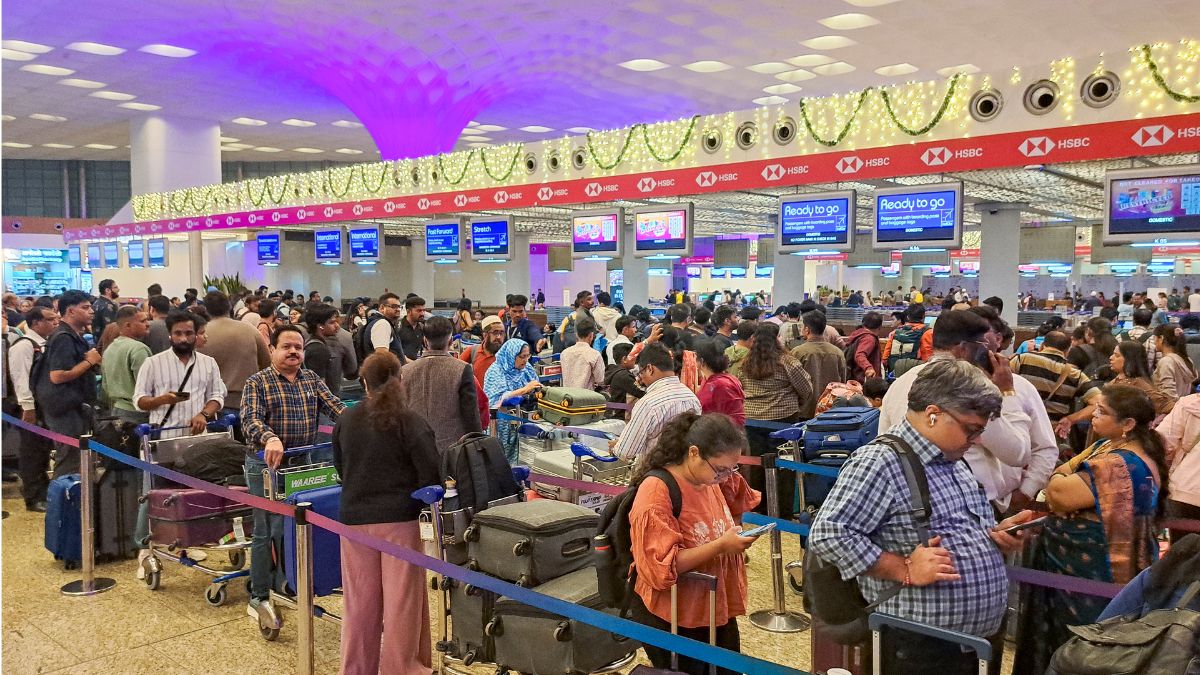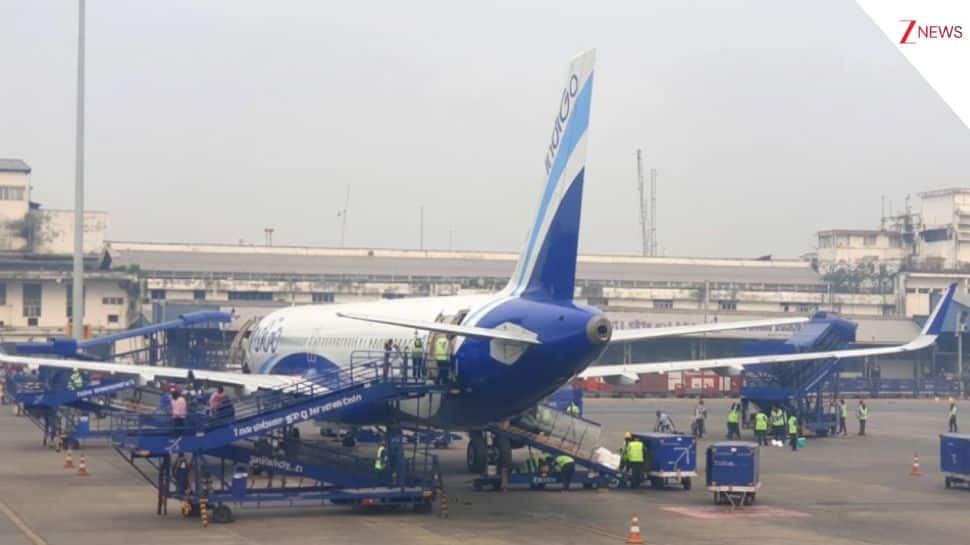

India’s aviation sector is in turmoil as IndiGo experiences its fifth day of widespread flight cancellations, with nearly 300 flights grounded on Friday. Major airports, including Delhi, Mumbai, Pune, and Hyderabad, are bearing the brunt of the operational collapse, leaving passengers in disarray.
Authorities at Delhi’s Indira Gandhi International Airport noted a slow recovery in IndiGo’s operations late Friday but urged passengers to verify their flight status. The airline’s wholesale cancellation of domestic flights from Delhi until midnight Friday exacerbated the crisis for thousands of travelers.
In a candid video message, IndiGo CEO Pieter Elbers acknowledged the severity of the situation, labeling Friday as the crisis’s worst point. He projected a decline in cancellations to below 1,000 for Saturday and a return to normalcy by December 10th-15th. The core issue stems from IndiGo’s struggle to implement new Flight Duty Time Limitation (FDTL) rules. These regulations, designed to ensure adequate crew rest and prevent fatigue, were introduced in January 2024, but their recent stringent enforcement has created operational hurdles for the airline.
The magnitude of the cancellations is alarming: 200 on December 2nd, over 150 on December 3rd, a staggering 300-550 on December 4th, and over 400 on December 5th. Key airports like Bengaluru, Delhi, and Mumbai have been heavily impacted, with Delhi’s domestic departures completely halted for a period on Friday.
To mitigate passenger hardship, IndiGo is providing full refunds and waiving all rescheduling charges for flights booked from December 5th to December 15th. The aviation regulator has rebuked IndiGo for its planning failures in adapting to the new duty hour regulations, noting a significant gap in implementation strategy. The financial markets are reacting, with IndiGo’s stock experiencing a downturn.
Indian Railways has stepped in to help, adding 116 extra coaches to 37 trains on Friday to assist passengers affected by the IndiGo flight cancellations.