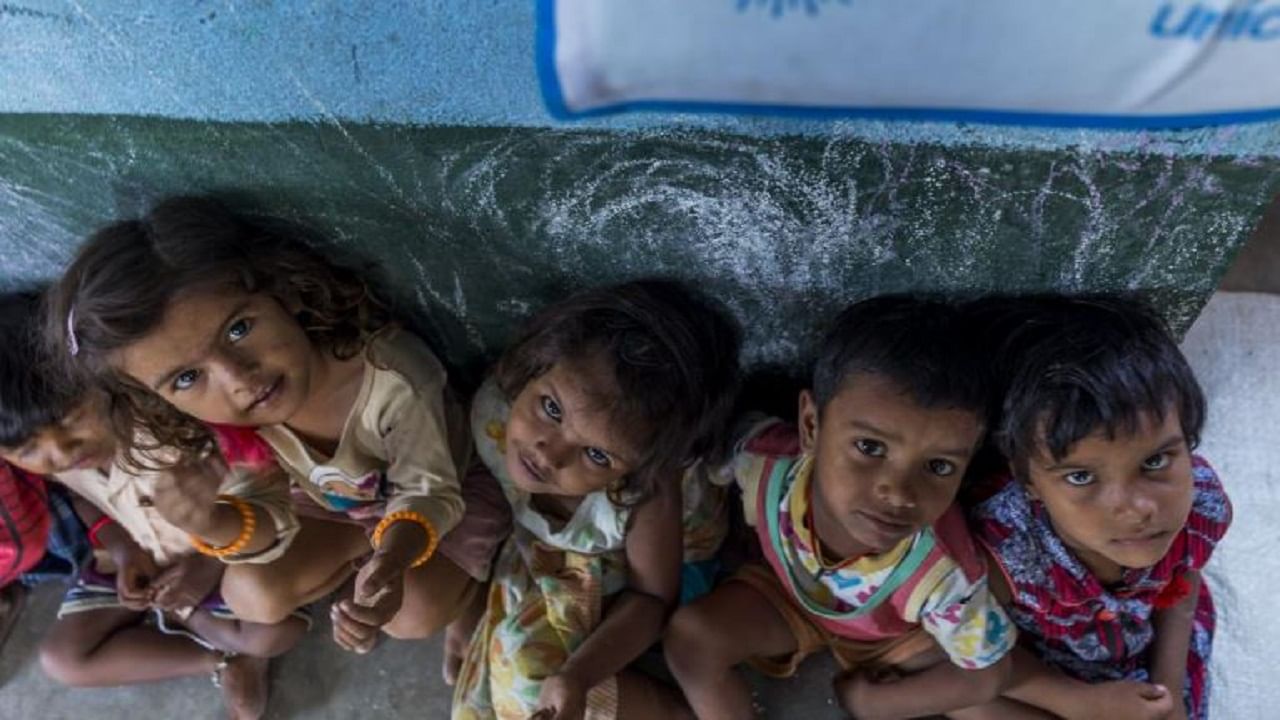

India is facing a critical health challenge with a significant percentage of children suffering from stunted growth. A state in India reports that 68.12% of its children are affected by this condition. According to the June 2025 Poshan Tracker data, the primary reason for stunted growth is long-term or repeated malnutrition, which has a severe impact on children’s growth and development. Analysis of governmental documents indicates that 63 districts across 13 states and union territories are experiencing the highest rates of stunting.
The Ministry of Women and Child Development’s June 2025 Poshan Tracker data reveals that the districts with the highest levels of stunting include Nandurbar in Maharashtra (68.12%), Paschim Singhbhum in Jharkhand (66.27%), Chitrakoot in Uttar Pradesh (59.48%), Shivpuri in Madhya Pradesh (58.20%), and Bongaigaon in Assam (54.76%).
Uttar Pradesh has the largest number of districts with over 50 percent of children stunted, with 34 districts affected. Madhya Pradesh, Jharkhand, Bihar, and Assam also have high numbers of stunted children. The Ministry of Women and Child Development stated that 35.91% of 8.19 crore children aged 0-6 years in Anganwadis are affected by stunting, while 16.5% are underweight. Among children under five years, the prevalence of stunting is even higher, at 37.07%.
Nandurbar in Maharashtra shows the highest prevalence of underweight children at 48.26%. Other districts with significant rates of underweight children include Dhar (42%), Khargone (36.19%), and Barwani (36.04%) in Madhya Pradesh, Dang (37.20%) and Dungarpur (35.04%) in Gujarat, and Sukma (34.76%) in Chhattisgarh.
Data from the Ministry of Women and Child Development’s June 2025 report indicates that malnutrition is a major cause of stunting, including long-term or recurrent undernutrition. Although the average rate of stunting in India has decreased from 42.4% to 29.4% over the last 19 years, some districts still have worryingly high numbers. This data comes from the Poshan Tracker, which the Ministry of Women and Child Development uses to track information about children’s nutrition and growth.