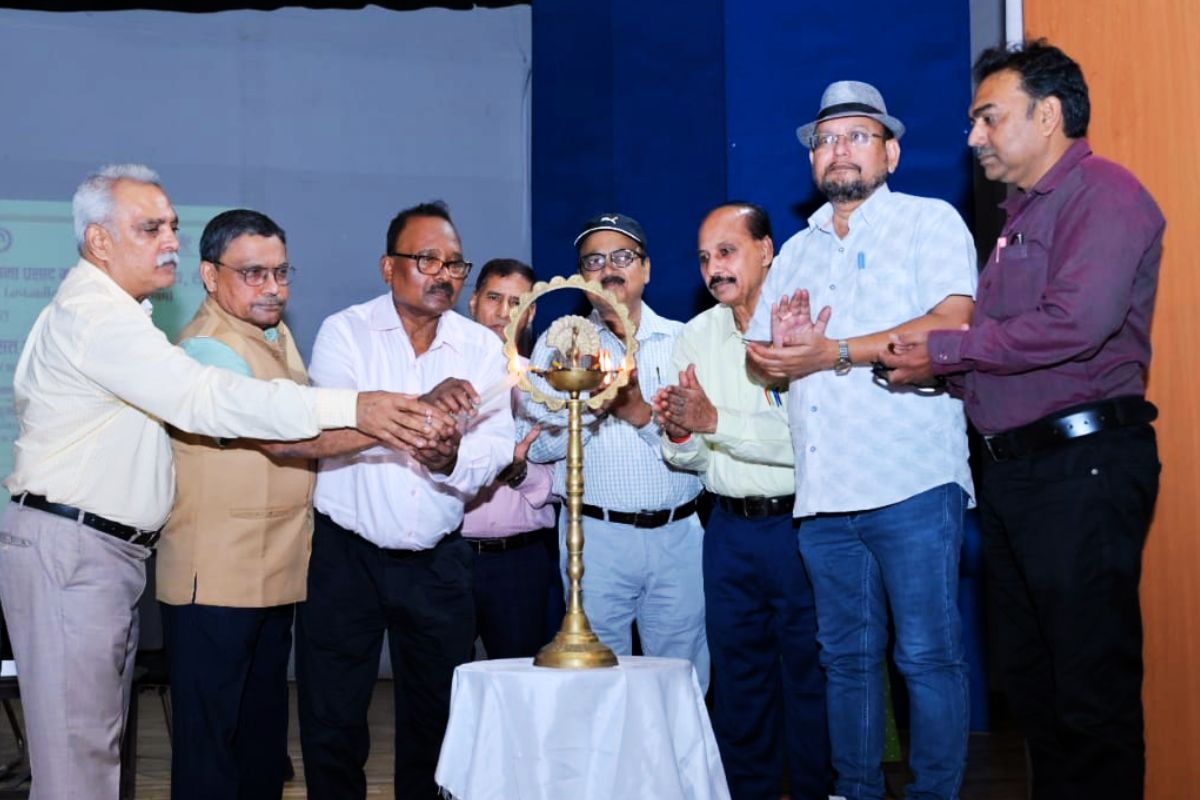

Ranchi hosted a one-day seminar focusing on the Santhal Hul, marking its 170th anniversary. The event was a collaboration between the Indira Gandhi National Centre for the Arts Regional Centre Ranchi and the Department of Tribal and Regional Languages at Dr. Shyama Prasad Mukherjee University, Ranchi. The seminar, titled ‘Santhal Hul: Memory of Tribal Resistance and Heritage,’ saw active involvement from academics, researchers, and students, all coming together to revisit the spirit of tribal resistance.
Dr. Kumar Sanjay Jha, from the Indira Gandhi National Centre for the Arts, Ranchi, began the event, sharing insights into the often-overlooked history of the Santhal Hul. He highlighted the Hul as a symbol of tribal identity, self-respect, and the fight for cultural preservation.
Dr. Binod Kumar discussed various interpretations of the term ‘Hul,’ underscoring the importance of the Santhal Hul in igniting the flames of independence, predating the 1857 revolt. He lauded the courage of key figures such as Sidho-Kanho, Chand-Bhairav, and Phulo-Jhano, emphasizing the need to recognize their contributions.
Dr. RK Nirad discussed the necessity of ensuring accuracy and authenticity in historical research despite technological advancements in accessing historical resources.
Dr. Dinesh Narayan Verma criticized colonial accounts and emphasized that the Santhal Hul was a spontaneous uprising to protect tribal rights.
Prof. Piyush Kamal Sinha provided a balanced view, highlighting the Santhal Hul as the first organized opposition to colonial exploitation.
Sanjay Krishnan pointed out that the groundwork for the Santhal Hul began as early as 1853 and celebrated the many unsung heroes who were part of the movement.
Prof. SN Munda emphasized the Hul’s significance as a means of preserving the cultural and economic identity of tribal communities, urging the audience to protect cultural heritage and local resources.
The seminar also included contributions from Dr. Kamal Bose and Dr. Jai Kishore Mangal. This gathering shed light on the historical, cultural, and socio-political significance of the Santhal Hul, prompting a fresh look at tribal resistance movements within mainstream historical narratives.