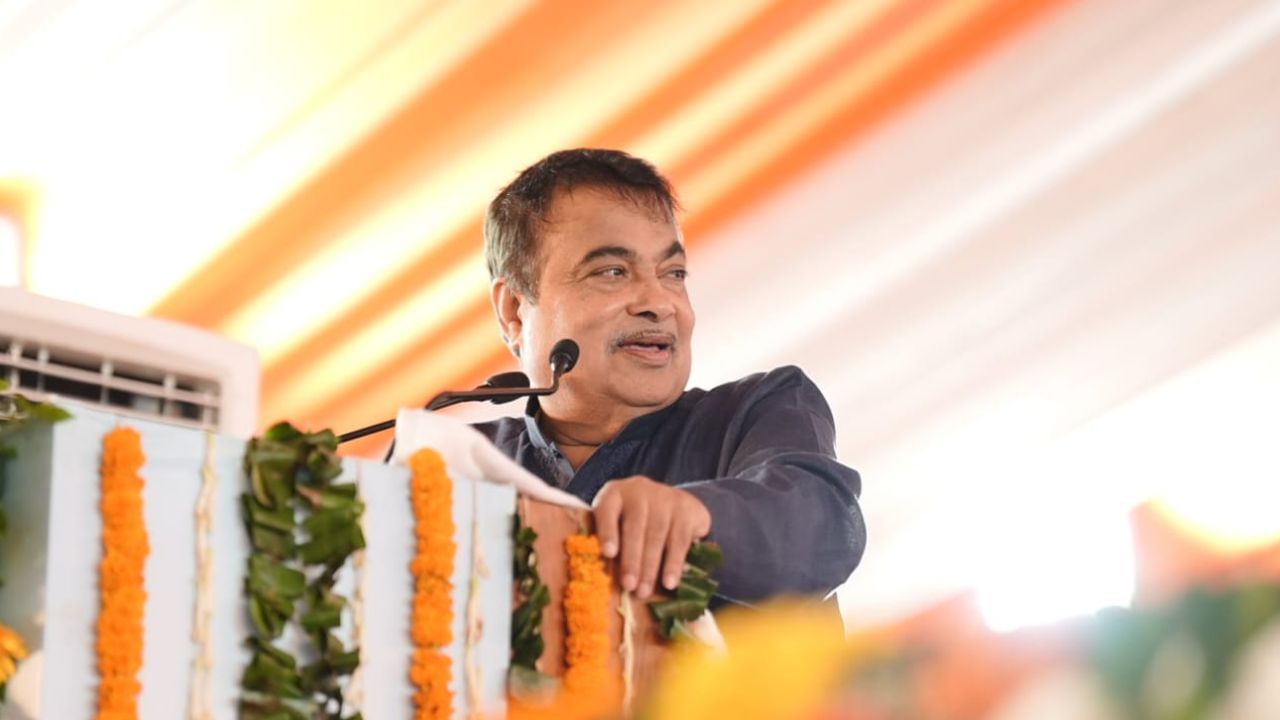

Jharkhand is set for a significant infrastructure boost with the recent announcement by Nitin Gadkari, the Union Minister for Road Transport and Highways. On July 3, Gadkari inaugurated and laid the foundation for road projects in Garhwa, totaling an impressive ₹2460 crore. The projects are designed to modernize the state’s transportation network and stimulate economic growth.
Among the key projects is the newly completed 4-lane road on National Highway-39, spanning 22.73 kilometers from Shankha to Khajuri. This road, costing ₹1129.48 crore, provides crucial connectivity between Palamu and Garhwa districts, extending to the borders of Uttar Pradesh and Chhattisgarh. The project will drastically reduce travel time, enabling commuters to complete the journey in just 20 minutes, compared to the previous one-hour duration.
In addition, Gadkari initiated the construction of a new road, a vital component of the Raipur-Dhanbad Economic Corridor. This road will link the Chhattisgarh-Jharkhand border to Gumla, thereby bypassing heavily populated areas and reducing traffic congestion. The project is also anticipated to enhance road safety and support trade, commerce, and tourism, while celebrating the region’s cultural heritage.
The event was attended by state ministers, local MPs, and other dignitaries. Gadkari emphasized that these infrastructure projects would generate employment, improve market access for local businesses, and boost tourism. He also reiterated the central government’s commitment to making Jharkhand a developed state.
The infrastructure development drive in Jharkhand will continue with more projects in the pipeline, including the Ratu Road Elevated Corridor in Ranchi, which is aimed at easing traffic bottlenecks in the capital. The overall investment in these projects exceeds ₹6300 crore, which is a strong indication of the government’s focus on strengthening Jharkhand’s road network. The initiatives, such as the Shankha-Khajuri 4-lane road and the Raipur-Dhanbad Economic Corridor, will play a crucial role in advancing economic and social progress, thus setting the stage for the state’s further development.