

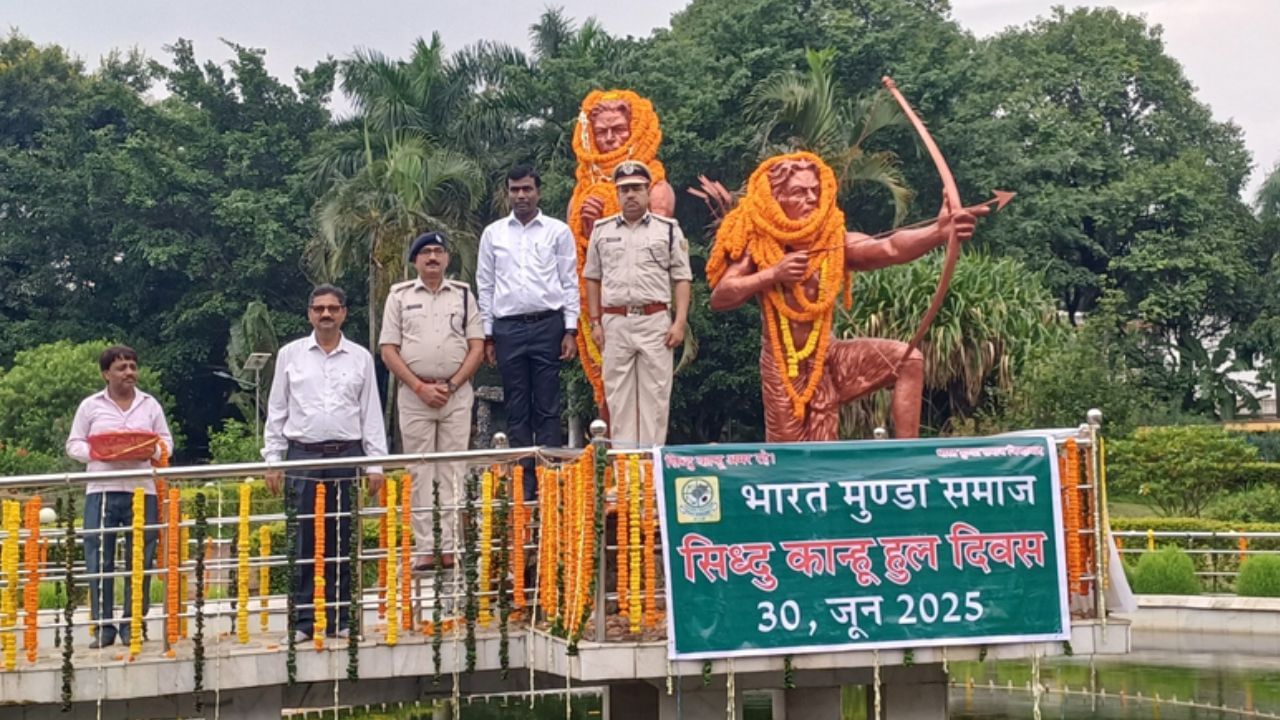

The narrative of India’s fight for independence often begins with the Sepoy Mutiny of 1857, but a crucial chapter often goes unacknowledged: the Santhal Hul, or uprising, of 1855. This significant event, which took place in the Santhal Pargana region of Jharkhand, predates the more widely known revolt and showcases the Santhal community’s courageous resistance against British rule.
The Hul movement, a nine-month-long struggle, saw the Santhals rise against the East India Company’s oppressive policies. Led by the brothers Sidhu and Kanhu Murmu, along with Chand and Bhairav, the uprising brought together over 50,000 people from numerous Santhal villages. They established a parallel government to challenge British authority, targeting the exploitative practices of moneylenders and landlords who collaborated with the British. The movement’s aim was to reclaim their land and resist the colonizers.
The British responded with violence and repression, targeting innocent civilians. The Santhals, however, did not back down. Facing threats and suppression, the community stood firm, and even fought back against the British forces and their allies. The British tried to scare the revolutionaries with elephants but their efforts were futile. Eventually, the East India Company put a bounty on the heads of the leaders.
The impact of the Hul movement was undeniable. The British were forced to acknowledge the Santhals’ demands and implemented the SPT Act in 1876. This legislation aimed to safeguard Santhal land rights and promote self-governance. The leaders, including Sidhu-Kanhu, Chand-Bhairav, and Phulo-Jhano, sacrificed their lives for the cause. The anniversary of the Hul movement is commemorated every year on June 30, honoring the Santhal community’s bravery and the enduring legacy of their struggle.