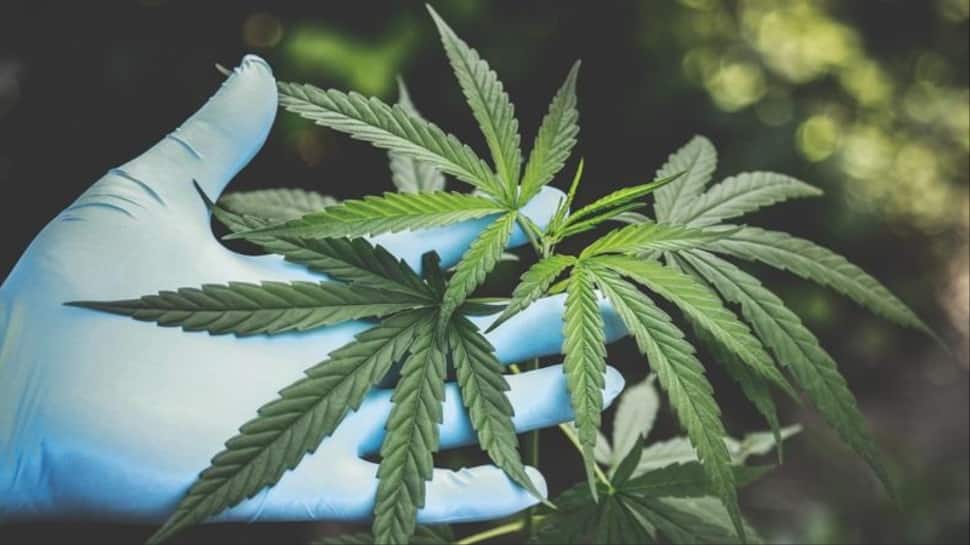

A recent court decision in Kerala has shed light on a frequently misunderstood aspect of Indian drug laws: the stark contrast between the illegality of home cannabis cultivation and the legal status of bhang. The Kerala High Court dismissed a petition filed by an individual caught with five cannabis plants on his terrace. His defense was that the plants hadn’t reached the ‘ganja’ stage (flowering tops) as defined by law, and thus shouldn’t be considered illegal. However, the court affirmed that the Narcotic Drugs and Psychotropic Substances (NDPS) Act, 1985, prohibits the cultivation of any part of the cannabis genus, irrespective of its growth phase. The NDPS Act carefully distinguishes between the plant and its prohibited derivatives. ‘Ganja’ specifically refers to the flowering or fruiting parts, and ‘charas’ is the resin. Importantly, the law does not classify cannabis leaves or seeds as narcotic cannabis. This legal technicality is the reason why bhang, a preparation made from cannabis leaves, is permitted for sale and consumption in various Indian states, often coinciding with religious festivals. The production and sale of bhang are subject to state-level regulations. Some states, like Uttar Pradesh and Rajasthan, authorize specific vendors, while others, such as Assam, have implemented bans. The illegality of cultivation lies in the act of growing the plant itself. While leaves are not legally defined as ‘ganja’, cultivating a cannabis plant is a criminal offense unless specific government permits are obtained for medical, scientific, or industrial use. Courts have established that cultivation includes raising plants in any setting, including potted plants or garden patches. Therefore, the offense is committed by the act of nurturing the plant, not solely by harvesting its psychoactive components. Punishments under the NDPS Act are tiered according to the quantity. Small possessions—up to 1 kg of ganja or 100 grams of charas—can incur a penalty of up to one year imprisonment, a Rs 10,000 fine, or both. Commercial quantities, defined as 20 kg or more of ganja, or 1 kg or more of charas, carry severe sentences of 10 to 20 years imprisonment and fines ranging from Rs 1 lakh to Rs 2 lakh. Cultivating the cannabis plant itself can lead to up to 10 years of rigorous imprisonment and considerable fines. Legal exemptions do exist, with the NDPS Act allowing government-licensed cultivation for industrial or medical applications. States like Uttarakhand and Himachal Pradesh have authorized industrial hemp cultivation, which has negligible THC content. Research institutions can also cultivate cannabis under specific permissions. Despite these regulated exceptions, growing cannabis at home remains unequivocally illegal. Consequently, while bhang might be legally available in some regions, the act of cultivating the plants from which it originates can result in severe legal consequences.