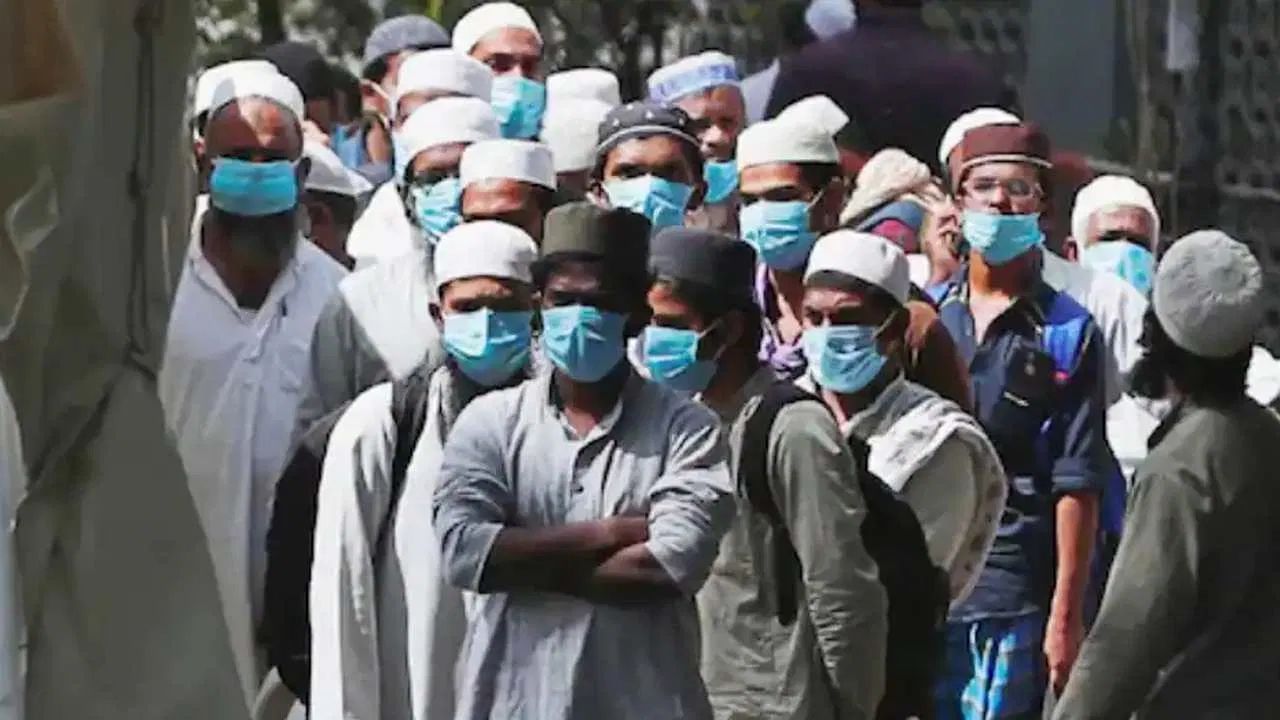

Indian intelligence agencies are expressing renewed apprehension regarding the Tablighi Jamaat’s activities, specifically the alleged misuse of visas by foreign members. These members are suspected of using tourist, student, and medical visas to conduct religious propagation, violating the stipulated visa conditions. Intelligence sources highlight that foreign members in Maharashtra are involved in religious campaigns, such as ‘Chilla’, operating in smaller groups to avoid detection. These groups are increasingly avoiding large gatherings and mosques, preferring to stay in private accommodations like hotels and homes, with logistical support from local sympathizers. Vigilance has been heightened, especially during festivals such as Ganpati, due to the potential for foreign nationals’ activities to disrupt social harmony. After the COVID-19 pandemic and the Nizamuddin Markaz controversy in 2020, the government introduced stricter visa regulations, strictly prohibiting religious preaching, participation in religious gatherings, or distributing religious materials under any visa category. Numerous foreign nationals were blacklisted and barred from entering India for a decade. Financial transparency is another area of concern, with investigations into potential Hawala funding, undeclared foreign funds, and violations of FCRA regulations. The CBI and ED are actively investigating the sources of these funds. Furthermore, unauthorized construction of religious sites and unregistered gatherings have led to FIRs in sensitive areas of Maharashtra, implicating various NGOs and trusts. While the Tablighi Jamaat itself does not promote violence, the agencies are concerned about the potential for former members to associate with terrorist organizations like Al-Qaeda and ISIS. A senior security official confirmed that the primary focus of the monitoring is on violations of visa regulations, not on religious practices themselves. Actions will be taken against any foreign nationals engaging in unauthorized religious activities or construction under the Foreigners Act, 1946, and other pertinent laws.