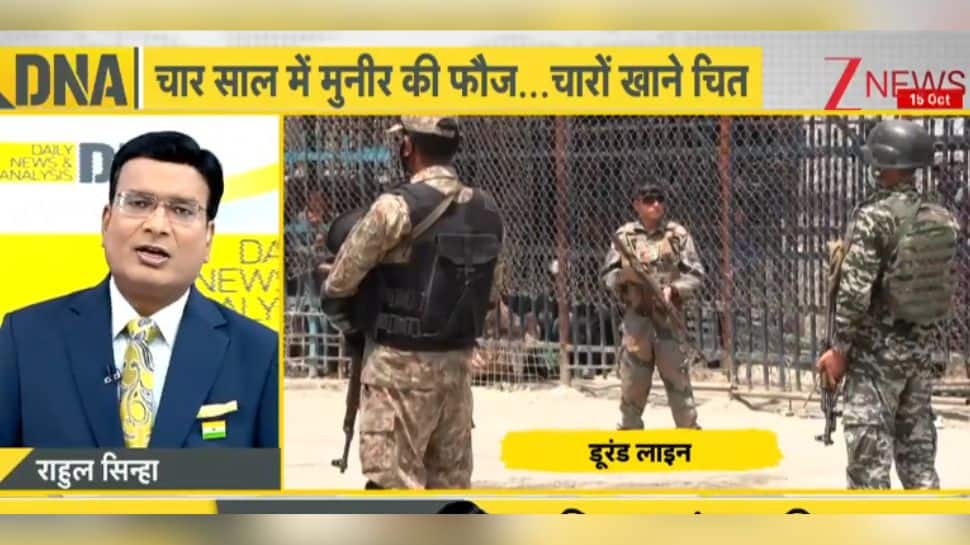

The fragile peace along the Afghanistan-Pakistan border has been shattered by recent clashes, revealing Pakistan’s surprising vulnerability to the Taliban despite its immense military power. Confrontations at the Spin Boldak and Chaman crossings resulted in considerable casualties and highlighted a strategic misstep. The Taliban has issued a stern warning, accusing Pakistan of unprovoked attacks and stating that such actions jeopardize the recognition of the Durand Line. Striking images and videos have emerged, showing Taliban militants with seized Pakistani army uniforms and in captured posts, a potent symbol of national embarrassment. This dynamic is particularly striking given Pakistan’s vast military advantage: approximately 1.2 million personnel, thousands of tanks, and a significant air force against the Taliban’s estimated 110,000 fighters. Analysts point to these repeated setbacks as a source of deep unease for Army Chief Asim Munir, who is reportedly seeking explanations for the intelligence failures that allowed these attacks. The situation is amplified by the persistent threat from the Tehrik-e-Taliban Pakistan (TTP), responsible for a spate of deadly attacks on Pakistani forces in recent weeks. The Afghan government’s open leanings towards the TTP add further diplomatic and security complexity for Pakistan. Concerns are also rising about potential future alliances between Baloch separatist groups and the Taliban, exploiting the rugged terrain and open borders for illicit activities. The current border situation represents a harsh irony for Pakistan, where a group it once sought to leverage for strategic advantage is now directly confronting its authority and causing a significant regional humiliation.