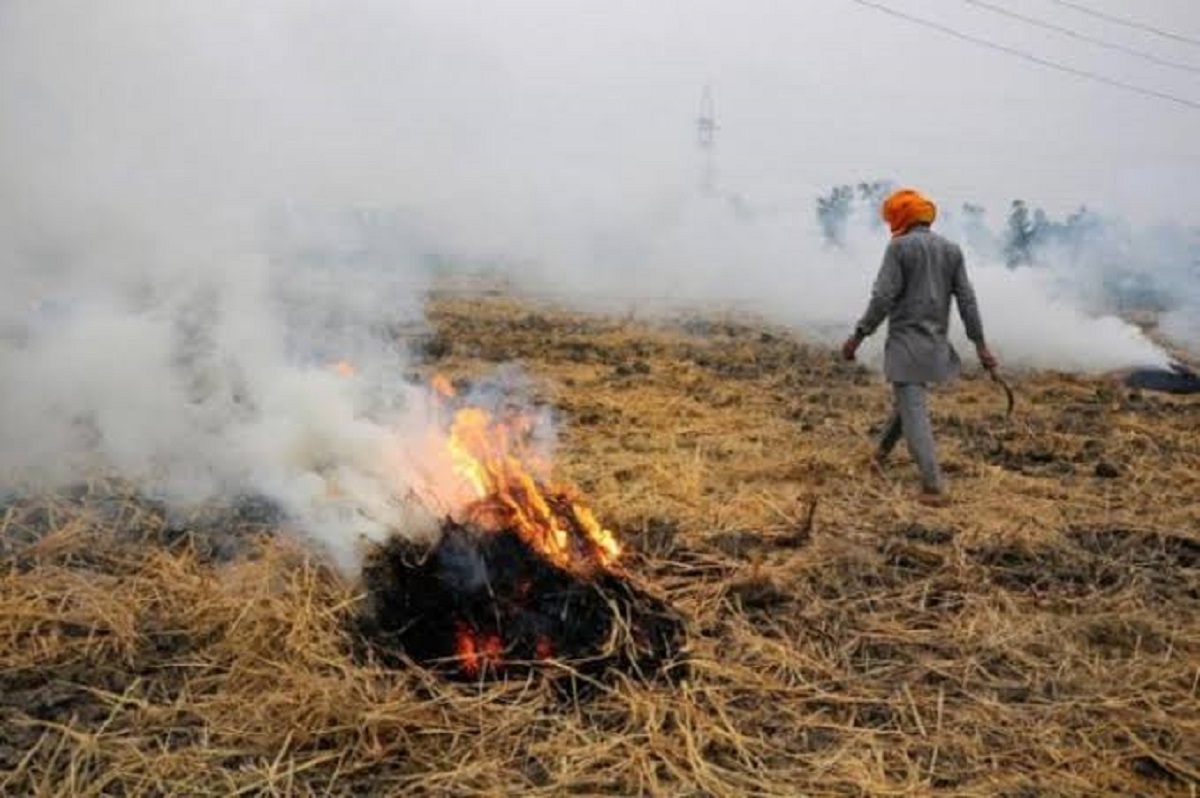

Intensifying air pollution in Delhi is drawing renewed attention to the ongoing issue of stubble burning in Punjab. Data released by the Punjab Pollution Control Board (PPCB) shows that 308 crop residue fires have been detected across the state since September 15. The districts of Tarn Taran and Amritsar are particularly affected, recording 113 and 104 cases respectively, making them hotspots for the practice.
Many farmers in Punjab continue to burn paddy stubble despite repeated warnings and appeals from the state government. The primary driver behind this practice is the challenging agricultural cycle, where a short turnaround time exists between harvesting paddy and sowing the winter wheat crop. Burning is perceived as the quickest method to clear fields of residual straw.
The PPCB’s latest figures indicate a significant uptick in farm fires, with the total reaching 308 by October 19, up from 116 just a week earlier on October 11. This surge is a cause for concern, especially given its potential impact on air quality in the Delhi-National Capital Region (NCR). Other districts reporting incidents include Ferozepur (16), Patiala (15), and Gurdaspur (7).
Authorities have responded by imposing environmental compensation fines amounting to over Rs 6.5 lakh across 132 identified cases, with a recovery of more than Rs 4.70 lakh. Additionally, legal action has been initiated, with 147 FIRs registered under Section 223 of the Bharatiya Nyaya Sanhita. Tarn Taran leads in FIR registrations with 61, followed by Amritsar with 37. Government initiatives promoting machinery for crop residue management and awareness campaigns are ongoing, but their effectiveness is being tested by the continued prevalence of burning.
In a broader perspective, Punjab has made strides in reducing farm fires. The state recorded 10,909 incidents in 2024, a remarkable 70% decrease from the 36,663 fires reported in 2023. However, the recent cluster of fires highlights the persistent challenges in achieving zero stubble burning.