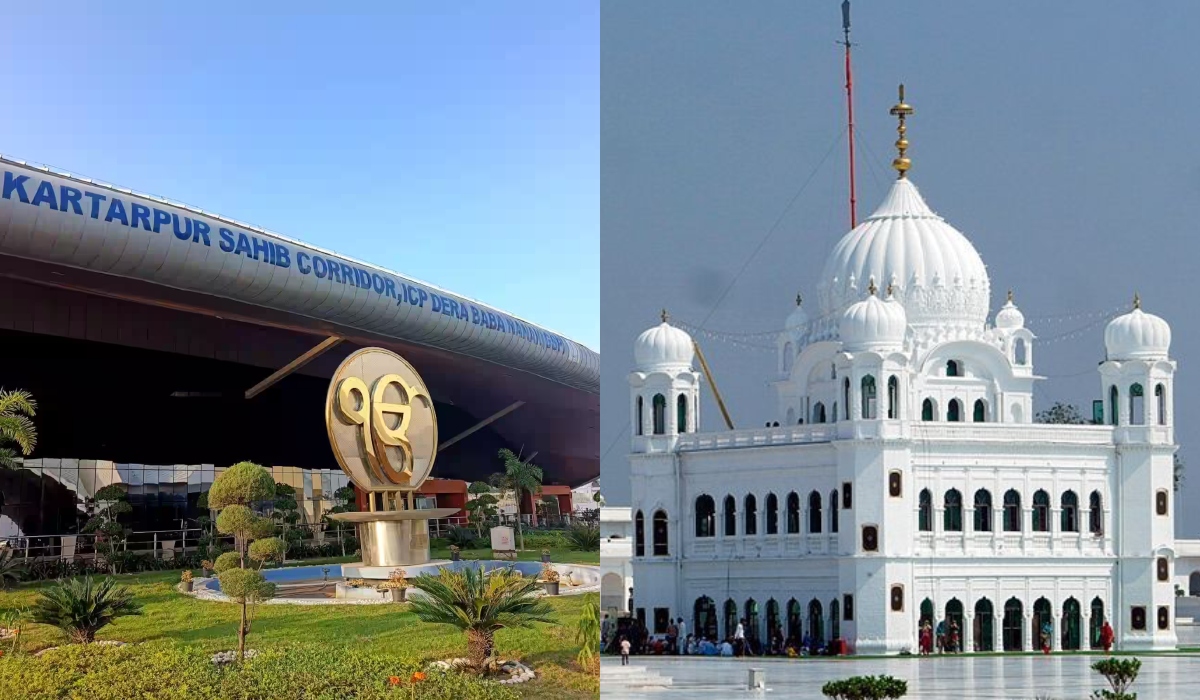

Today marks six years since the opening of the Kartarpur Corridor, a pioneering initiative that facilitated pilgrimage to Gurdwara Darbar Sahib. However, this sacred pathway has been inaccessible since May 2025, following security-related suspensions after Operation Sindoor. The bilateral agreement for the corridor has been renewed until 2029, yet the prospect of pilgrims once again crossing this ‘living bridge’ remains unclear.
Opened on November 9, 2019, the corridor was a historic fulfillment for Sikhs globally, granting visa-free access to the shrine located just four kilometers inside Pakistan. Its inauguration coincided with the 550th birth anniversary of Guru Nanak Dev Ji, the founder of Sikhism. The occasion was further elevated by a former Prime Minister leading an all-party delegation, highlighting the spiritual significance transcending political boundaries and embodying the principles of service, peace, and devotion.
The roots of the Kartarpur Corridor concept go back to the 1947 Partition of India, which placed Gurdwara Darbar Sahib, Guru Nanak Dev Ji’s final abode, in Pakistan. For decades, devotees were relegated to viewing the shrine from Indian territory, separated by the border. This prolonged separation fostered a generational yearning for direct access, eventually translating into a diplomatic endeavor.
Internationally, the corridor garnered significant attention. In 2020, UN Secretary-General António Guterres visited, terming it a “corridor of hope” and a model for peace through shared spirituality. In its initial months, thousands of pilgrims crossed daily, experiencing the profound joy of reaching the holy site visa-free for the first time.
The current closure, lasting since May 2025, necessitates a return to traditional, visa-dependent travel, reintroducing the very barriers the corridor aimed to dismantle. While cooperation mechanisms persist between the two nations, the path forward for the pilgrimage is uncertain. The Kartarpur Corridor, even in its dormant state, remains a powerful emblem of spiritual resilience and the unwavering hope that faith can overcome political obstacles, eagerly awaiting the day it can welcome devotees once more.