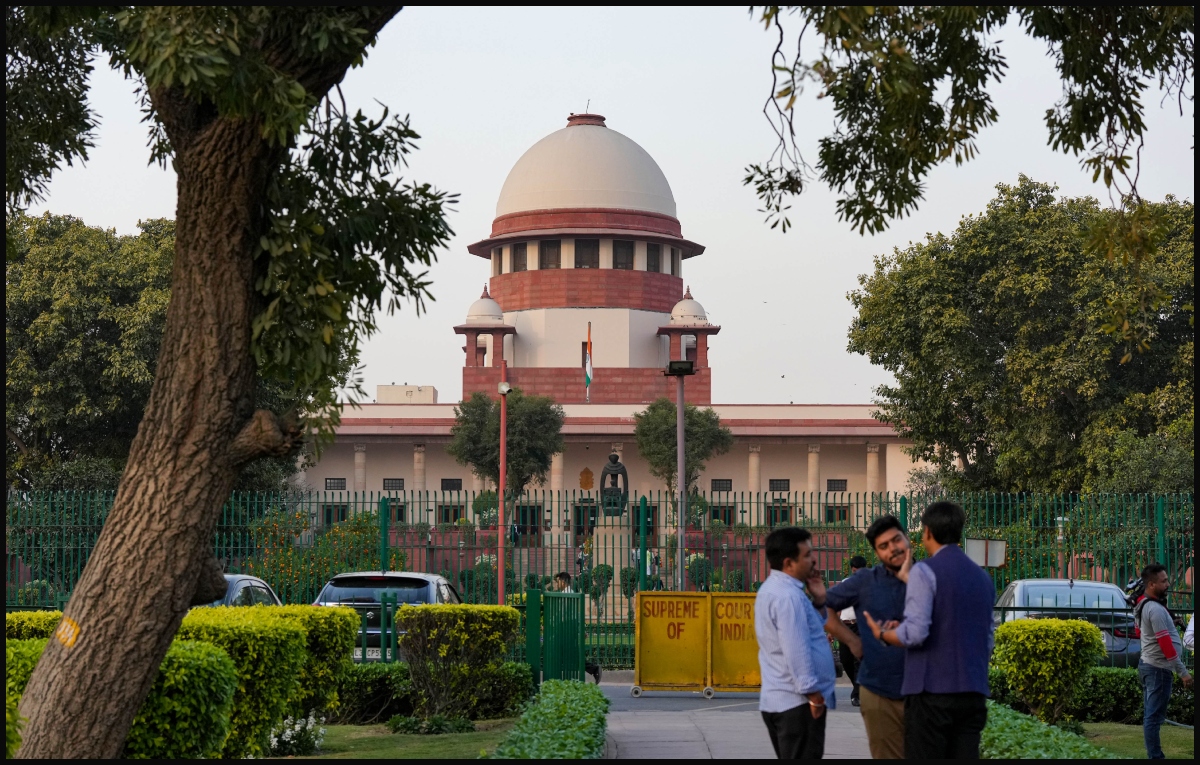

The Supreme Court has concluded that it is not constitutionally appropriate for the judiciary to mandate specific timeframes for the President and state Governors to assent to bills. A bench of five judges clarified that while Governors should not hold bills indefinitely, imposing judicial deadlines would overstep into the domain of other constitutional branches. The Court emphasized that the President’s and Governors’ decisions on bills are largely beyond judicial review until they become law. During the proceedings, the apex court noted that the government’s arguments on this issue were considered. It was explicitly stated that Article 142, granting sweeping powers to the Supreme Court, cannot be employed to automatically grant assent to pending legislation. The Court affirmed that in India’s democratic framework, imposing rigid deadlines on Governors goes against the Constitution’s inherent adaptability. The traditional options for a Governor—assent, return, or referral to the President—were reiterated. The Court also critiqued its previous actions of granting ‘deemed assent,’ deeming it an inappropriate assumption of constitutional authority, and reaffirmed that a Governor’s discretionary power under Article 200 is not justiciable in a routine manner.