
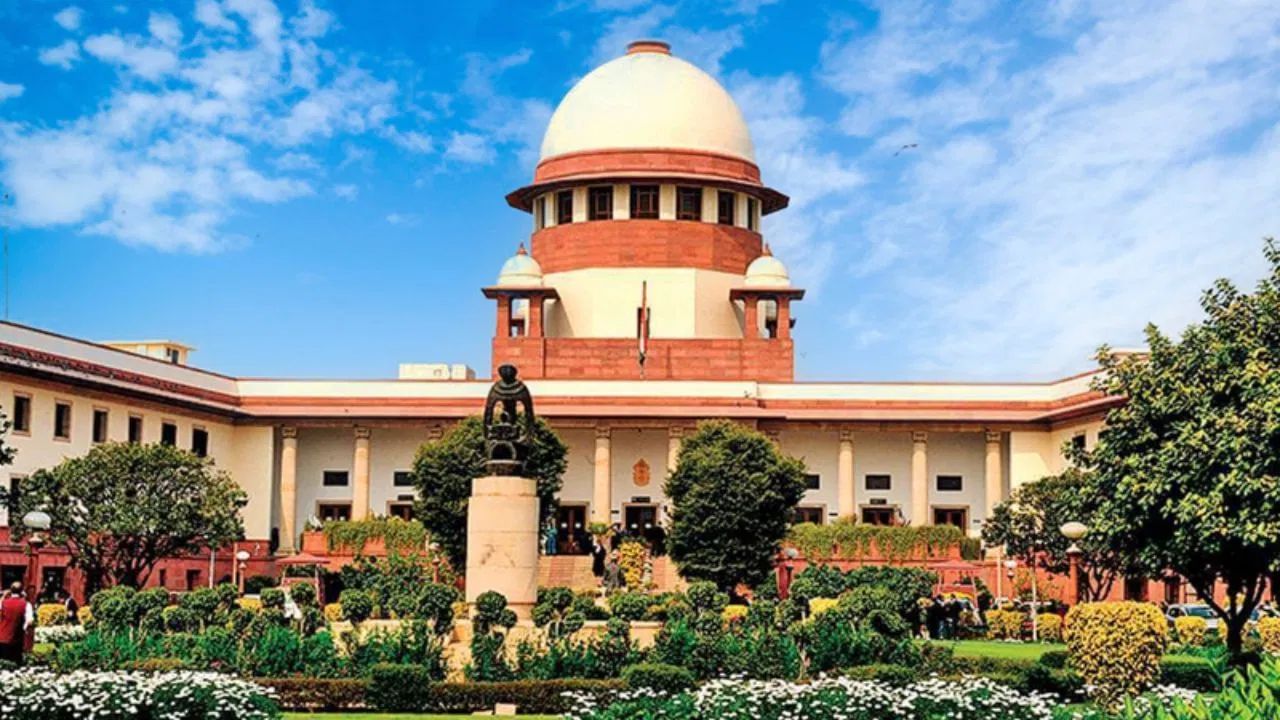

A Public Interest Litigation (PIL) has been submitted to the Supreme Court, addressing claims against the Election Commission. The PIL requests the formation of a Special Investigation Team (SIT), to be headed by a former judge, to investigate allegations made by Rahul Gandhi concerning manipulation of the voter list in the Bangalore Central constituency during the 2024 Lok Sabha elections.
The petition, filed by lawyer Rohit Pandey, references Rahul Gandhi’s press conference of August 7th, in which he raised concerns about the Election Commission’s transparency and questioned the integrity of the voting process.
The petitioner seeks a court directive to halt any further modifications or finalizations of the voter lists until a comprehensive independent audit is conducted.
The petitioner urges the court to establish clear guidelines for the Election Commission to ensure transparency and accountability in the creation, maintenance, and publication of voter lists. The plea includes a demand for mechanisms to detect and prevent duplicate or fraudulent entries. Furthermore, the petitioner requests that voter lists be made available in accessible, machine-readable, and OCR-compliant formats to facilitate proper verification and public scrutiny.
The petition presented to the Chief Justice cites Rahul Gandhi’s August 7 press conference, where he voiced criticisms of the Election Commission’s transparency regarding potential vote theft. The petitioner claims to have independently investigated Rahul Gandhi’s claims, presenting evidence indicating attempts to undermine the validity of genuine votes and manipulate the electoral process. The petitioner emphasizes the need for Supreme Court intervention to safeguard public interest.
The petitioner alleges that approximately 40,000 illegal voters and over 10 duplicate entries were identified within the constituency. They cited instances of individuals possessing multiple EPIC numbers across different states, contrary to the rule of one EPIC number per person. The petition also highlighted cases of voters sharing identical home addresses and fathers’ names. In one example, approximately 80 voters listed the same small house address at a specific polling station. The petitioner argues that these inconsistencies raise serious questions about the authenticity of the voter lists and could indicate instances of fraudulent voting.
The petitioner argues that if proven, this level of tampering would violate the constitutional right to ‘one person, one vote’ as enshrined in Articles 325 and 326, thereby devaluing valid votes and undermining the principles of equality and due process.