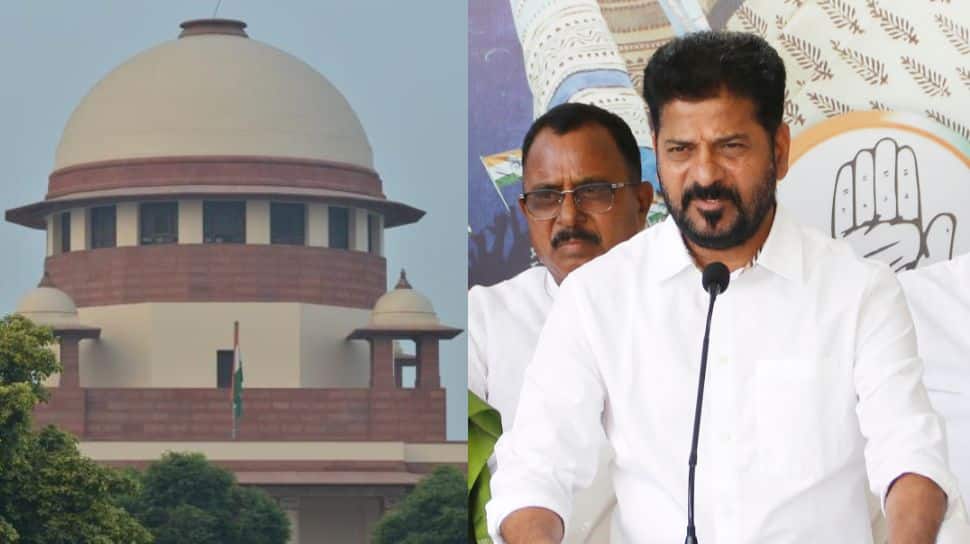

Telangana’s bid to significantly increase Other Backward Classes (OBC) reservation to 42% in local body polls has been rejected by the Supreme Court. The apex court dismissed the state government’s plea challenging a Telangana High Court interim order that had halted the move. The proposed reservation hike would have led to a total reservation of 67% in local bodies, far exceeding the widely accepted 50% cap.
Justices Vikram Nath and Sandeep Mehta, presiding over the case, made it clear that their dismissal of the Telangana government’s appeal does not prevent the High Court from fully examining the legalities of the reservation increase. The state had appealed to the Supreme Court after the High Court initially stayed the implementation of the boosted OBC quota, which was legislated through amendments to the Panchayat Raj and Municipalities Acts earlier this year.
During the Supreme Court proceedings, the state’s counsel argued that the High Court’s stance was inconsistent with the Supreme Court’s own Indira Sawhney judgment. This precedent, they argued, allows for reservations beyond 50% in exceptional circumstances. However, legal counsel for the opposing party contended that the Indira Sawhney case’s exceptions are narrowly defined and apply to specific tribal populations in Fifth Schedule regions, not to general political reservations in local bodies, and that the judgment’s scope was primarily employment and education-related.
Consequently, the Supreme Court’s decision allows the local body elections, which commenced on October 9, to proceed as planned. The substantive legal challenge concerning the 42% OBC reservation will now be decided by the Telangana High Court.