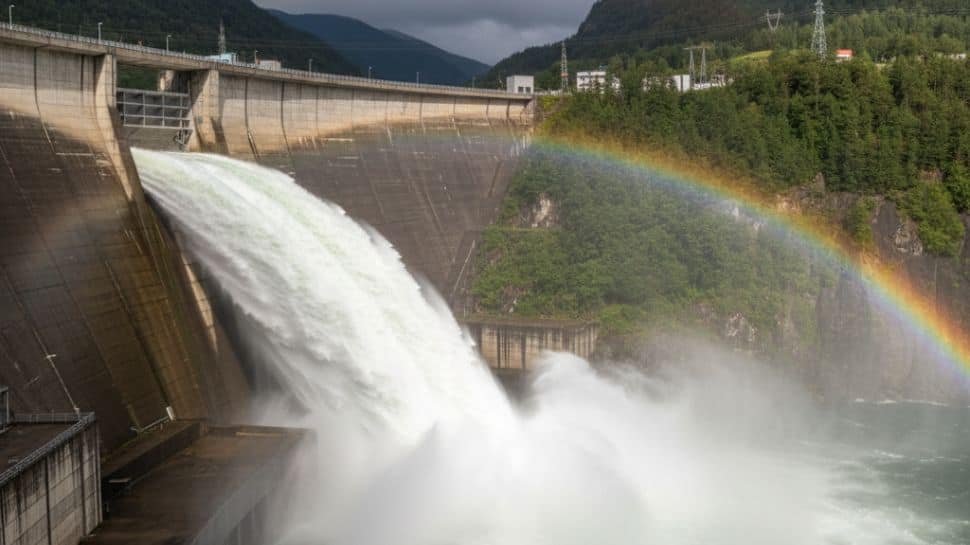

Afghanistan’s decision to construct a dam on the Kunar River presents a severe challenge to Pakistan’s water and energy security. The Taliban government has ordered the swift construction of the dam, explicitly aiming to control and potentially withhold water that flows into Pakistan. This strategic move is widely interpreted as retaliation for Pakistan’s recent military actions within Afghanistan.
The Kunar River is a vital component of Pakistan’s water infrastructure, contributing a substantial portion of the flow to the Indus River system. This system is crucial for irrigating agricultural lands that sustain the nation’s food supply and for generating electricity. The proposed dam’s completion could reduce the river’s flow into Pakistan by as much as 30%, threatening to cripple key agricultural regions and disrupt power grids.
Taliban leadership, under Supreme Leader Maulvi Hibatullah Akhundzada, has emphasized haste and the exclusive use of Afghan resources for the dam’s construction. This directive underscores a commitment to prioritizing Afghanistan’s own development and asserting control over its natural resources, particularly in the context of perceived provocations from Pakistan.
The implications for Pakistan are dire. Reduced water flow will directly impact food production, potentially leading to widespread crop failures and food shortages. The decrease in hydropower generation will strain the national grid, causing power outages and economic hardship. Adding to Pakistan’s vulnerability is its geographical predicament; the Kunar River flows out of Pakistan into Afghanistan before returning, making it difficult to prevent water diversion. Furthermore, Afghanistan is not subject to any water-sharing agreements with Pakistan, leaving Islamabad with limited diplomatic or legal avenues to address the situation. The Taliban’s water strategy appears to be a calculated effort to destabilize Pakistan without direct military confrontation.