
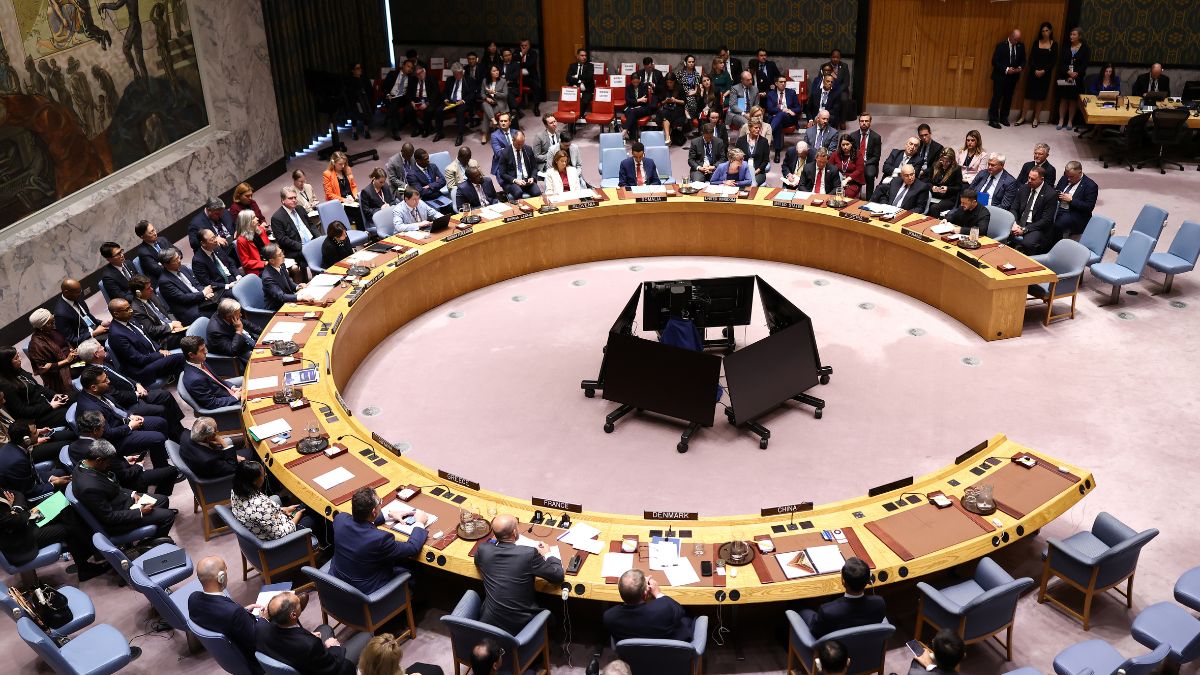

India’s persistent advocacy for a permanent seat on the United Nations Security Council (UNSC) highlights critical issues of global representation and outdated power structures. The UNSC, comprising five permanent members (P5) and ten non-permanent members, has largely remained unchanged since its inception, failing to mirror the current international order. India argues that this anachronistic setup necessitates reform to better address contemporary challenges.
India’s candidacy is bolstered by its significant global standing: it is the world’s most populous country, a major economic force, and a consistent contributor to UN peacekeeping efforts. Its permanent membership would enhance the UNSC’s legitimacy and better reflect the multipolar world. For numerous countries in the Global South, India represents a vital voice advocating for issues such as climate justice, equitable trade, and the reform of global institutions. Its inclusion would ensure that the perspectives of developing nations are more effectively integrated into global security decision-making.
Encouragingly, India has garnered considerable support from influential nations. Four of the five permanent members of the UNSC have expressed their backing. The United States has consistently supported India’s bid for a permanent seat on a reformed council. France has also voiced strong advocacy for India’s permanent membership, alongside other key nations like Germany and Japan, and representation from African countries. The United Kingdom’s Prime Minister recently reaffirmed his country’s support. Russia has been a long-standing supporter, recognizing the shift in global power. Other nations including Portugal, Kuwait, Bhutan, Mauritius, Brazil, and the African Union have also publicly endorsed India’s pursuit of a permanent place in the UNSC.