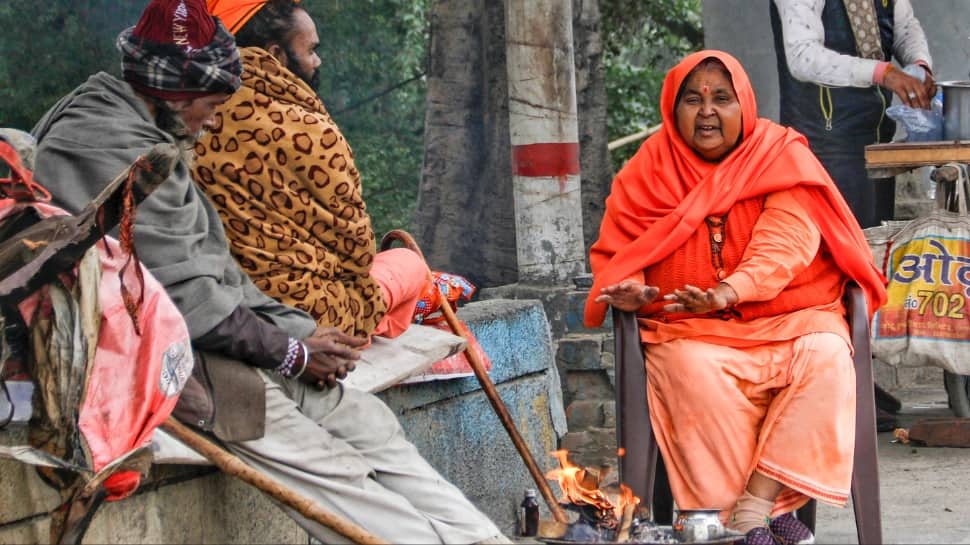

India is currently under the grip of a severe winter spell, with the India Meteorological Department (IMD) issuing critical weather alerts. A yellow alert for cold waves has been declared for key states including Punjab and Jharkhand, signaling a significant drop in temperatures across northern and eastern India. Many regions are experiencing mercury levels between 0 and 10 degrees Celsius, causing widespread disruption. Simultaneously, the Himalayas are bracing for fresh snowfall.
The Kashmir Valley is facing its harshest winter conditions yet. Srinagar recorded a chilling -4 degrees Celsius on Thursday morning, with forecasters predicting even colder nights and substantial morning fog throughout early December.
Himachal Pradesh is set to receive rain and snow in its higher elevations due to a new Western Disturbance. Extreme low temperatures have been recorded in places like Tabo (-7.4°C) and Kukumseri (-4°C). The forecast includes a possibility of snow around December 7, with weather conditions expected to clear by Saturday. Dense fog is also a concern in the Bhakra Dam area.
On the North Indian plains, cold wave conditions are a major concern. Punjab has seen day temperatures fall significantly below normal, with Adampur recording a minimum of 3.0 degrees Celsius. The IMD’s yellow alert covers eight districts in Punjab for Friday, warning of a cold wave. Light to moderate fog is also expected across Punjab, Haryana, and West UP.
Jharkhand is experiencing the eastward spread of the cold wave. Several districts, including Garhwa and Palamu, are under a yellow alert for the next 48 hours. Northwesterly winds are driving down temperatures, with Gumla at 5.9 degrees Celsius and Daltonganj at 8.6 degrees Celsius. The mercury is expected to dip further, potentially reaching 4 degrees Celsius.
Dense fog is also forecast for parts of Northeast India, such as Assam and Meghalaya. Nationally, the IMD anticipates an intensification of cold conditions, driven by the Western Disturbance affecting the Himalayan region. Southern India is expected to remain dry and largely unaffected. The public is strongly advised to take necessary precautions, prioritizing warm clothing during the cold morning and evening hours, particularly for children and the elderly.
.jpeg "Featured Image")