As the excitement surrounding the India-Pakistan clash in the Asia Cup intensifies, former Indian cricket captain Kapil Dev has called for a balanced perspective. He believes that the focus should remain firmly on the sport of cricket and not be influenced by political tensions.
Kapil stated, “Just go and win. Those whose job is to play should just focus on playing – there’s no need to say anything else.” He added, “Don’t make this a big issue. The government will do its job, and the players should do theirs.”
These comments come at a time when discussions about India and Pakistan’s participation in cricket matches have taken on a political dimension. Since the Asia Cup schedule was revealed, debates have resurfaced regarding whether the two rivals should continue playing each other on the cricket field, especially after the recent Pahalgam attack, which has strained diplomatic ties.
India and Pakistan haven’t played a bilateral series since 2012-13 due to ongoing security and political issues; however, they still compete in ICC and ACC tournaments. This year’s Asia Cup, officially hosted by India, will be held in the United Arab Emirates to address the sensitive situation, with matches taking place in Dubai and Abu Dhabi.
The BCCI has reiterated its commitment to the central government’s policy, which allows India to participate in multilateral tournaments involving Pakistan but not in bilateral series.
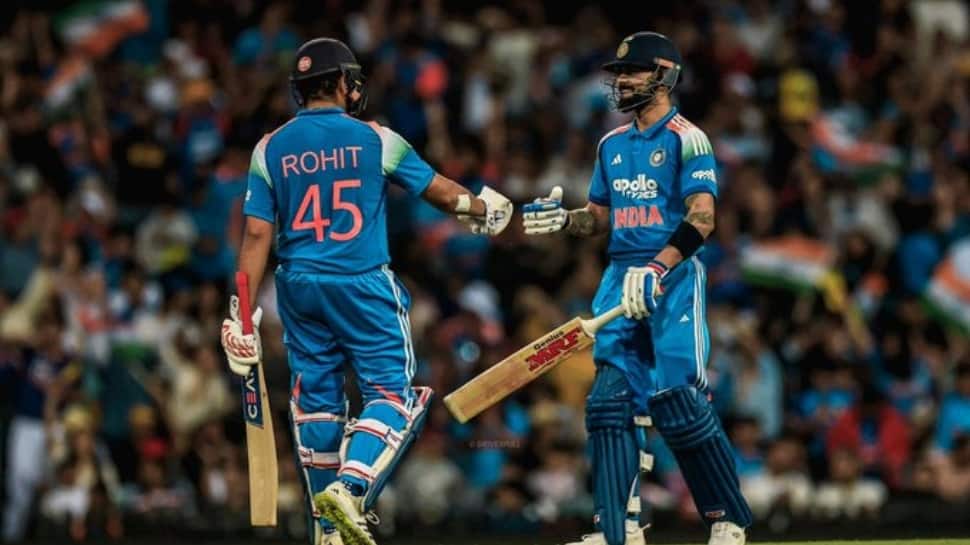
India began their title defense with a strong performance, defeating the UAE in their tournament opener. The Indian team bowled out the hosts for a meager 57 runs in just 79 balls. The chase was quick and efficient, completed in only 27 balls with nine wickets remaining.
Kapil Dev praised this performance, describing it as a strong statement of intent. “The team is very good and has secured an impressive victory. We hope they bring the trophy home,” he noted.
India enters the tournament as defending champions, having won the ODI edition of the Asia Cup in 2023. This time, they carry both momentum and high expectations, amidst the tournament’s geopolitical undertones.
As the cricketing world prepares for the India-Pakistan match, Kapil’s words serve as a reminder to keep sport and politics separate, at least on the field. This sentiment has become more prevalent in cricket circles in recent years, with players from both sides often expressing mutual respect despite external factors.
In a region where cricket frequently becomes a matter of national pride, Kapil Dev’s perspective provides a necessary reality check. The stage is set for an exciting contest, with the hope that the game itself will be the ultimate victor.