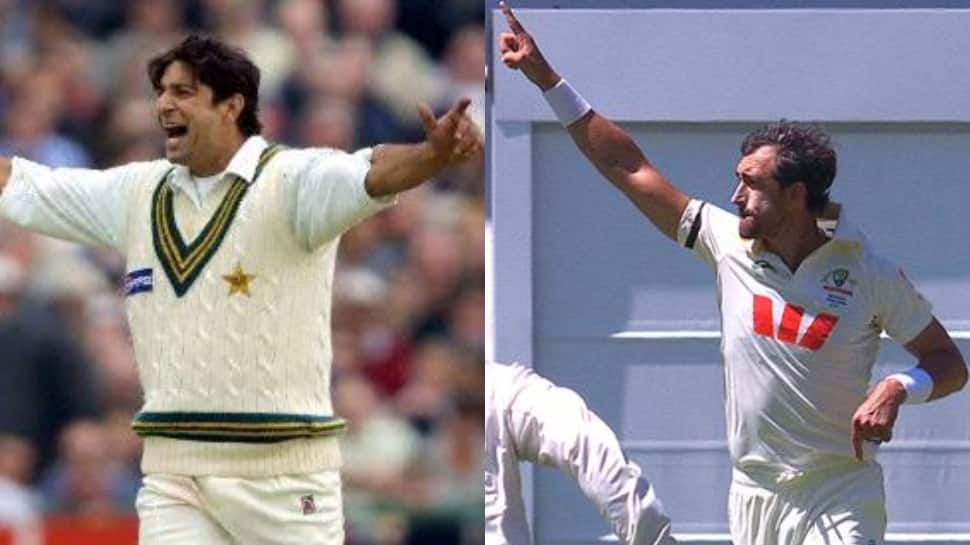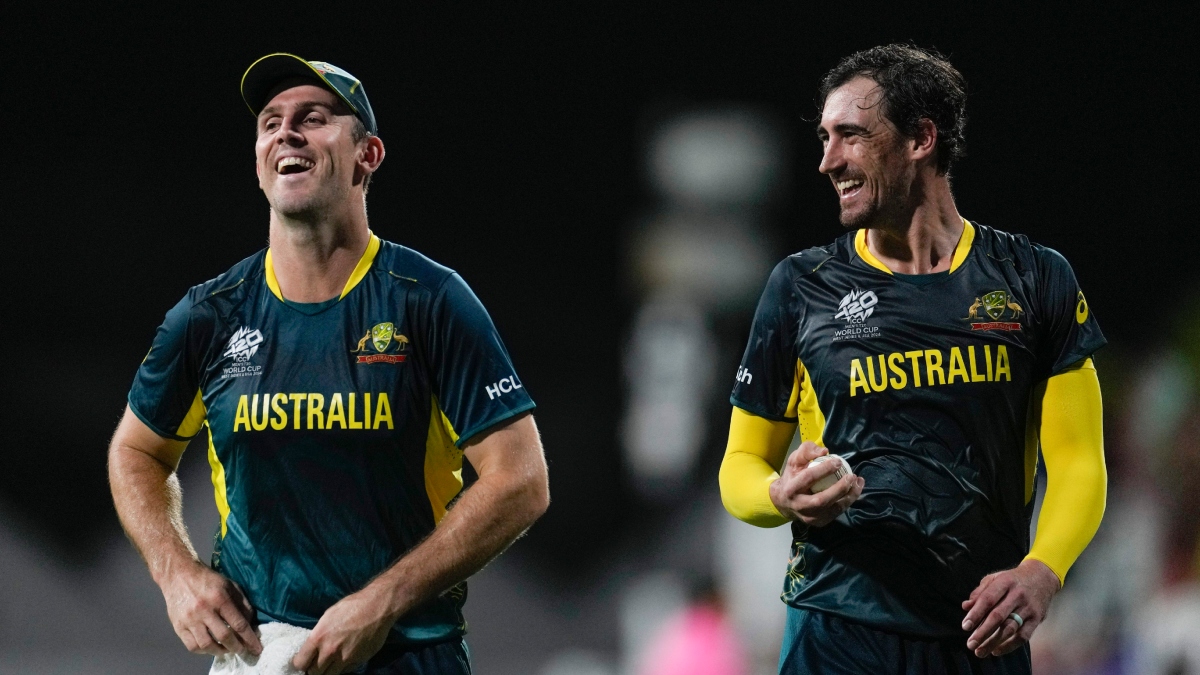

With Mitchell Starc no longer part of Australia’s T20 international setup, the national team’s pace attack faces a stern examination, particularly with challenging encounters against a strong Indian side on the horizon. The loss of Starc’s experience and wicket-taking ability is a key consideration as Australia prepares for the 2026 T20 World Cup.
For years, the formidable trio of Mitchell Starc, Josh Hazlewood, and Pat Cummins dominated opposition batting lineups. Starc’s decision to retire from T20Is means the iconic ‘Big Three’ are no longer operating as a complete unit in this format.
Starc’s T20I legacy includes him being Australia’s leading fast-bowling wicket-taker, with 79 dismissals in 65 matches. He also sits second on Australia’s all-time T20I wicket-takers list, trailing only spinner Adam Zampa.
Starc’s exceptional record in major finals, where he consistently performed and contributed to numerous trophy wins, highlights the caliber of player Australia must now replace. His ability to deliver under the highest pressure will be a significant absence.
Adding to the challenge, promising left-arm quick Spencer Johnson has been ruled out due to a back injury. Johnson’s ability to bowl at high speeds and his similar bowling style to Starc made him a natural successor. However, a diagnosis of bone stress means he will miss crucial preparation time, likely returning for the Big Bash League.
In this evolving landscape, Nathan Ellis has proven his worth. His T20I record boasts 41 wickets in 27 appearances, with an impressive average of 18.8 and an economical 7.84. Australia will look to Ellis to spearhead the attack, alongside the experienced Hazlewood and the returning Cummins. The team will also draw upon the talents of Ben Dwarshuis, Sean Abbott, and Xavier Bartlett as they build a competitive bowling unit in the post-Starc era.