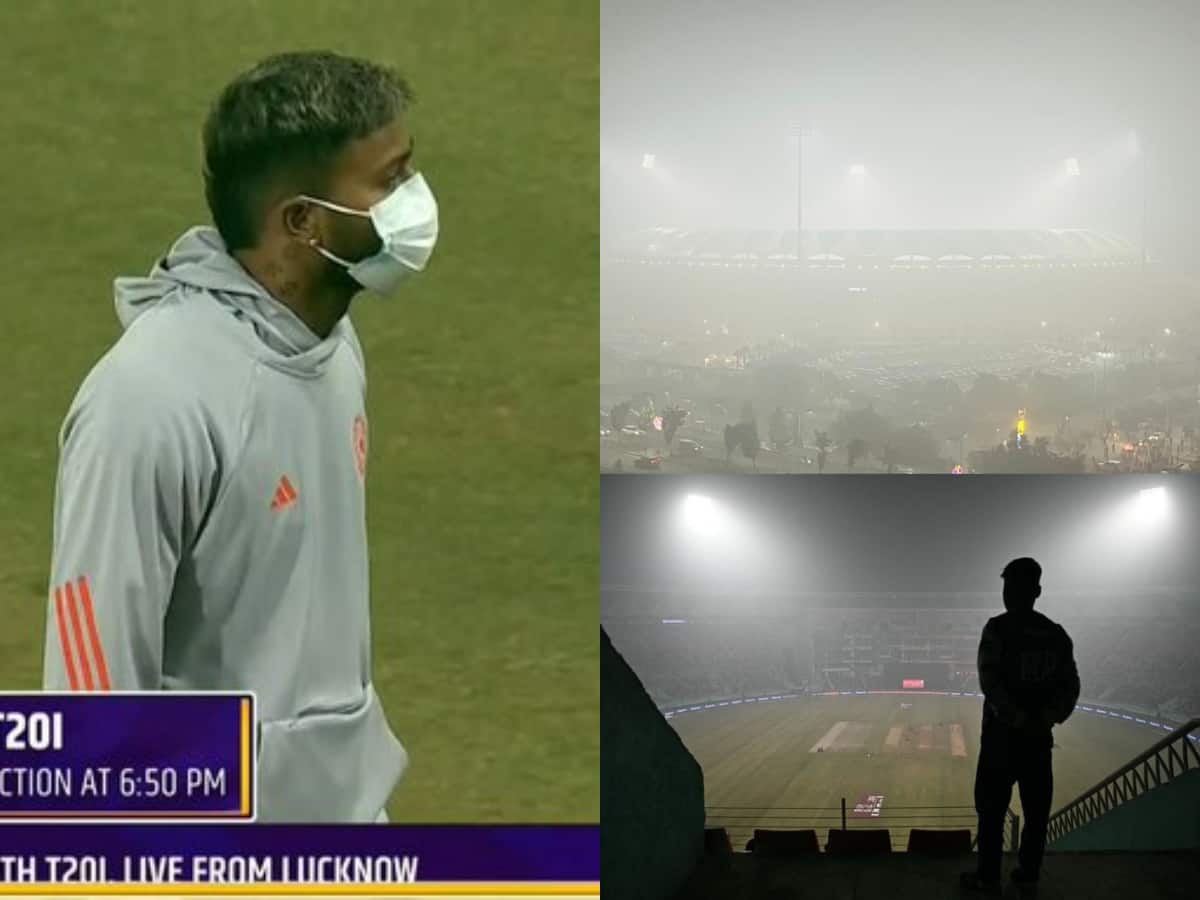

Heavy smog led to the unfortunate abandonment of the India vs. South Africa T20 match in Lucknow, sparking a wave of criticism from cricket enthusiasts. In response, BCCI vice president Rajiv Shukla has pledged that future international cricket calendars will give more weight to weather patterns and pollution levels. Hosting multiple winter games in North India had already drawn scrutiny, and the Lucknow washout intensified these debates. Speaking about the cancellation, Shukla conveyed his understanding of the fans’ disappointment, emphasizing that all logistical and ground preparations were finalized, and inspections were conducted diligently until the final decision was made due to fog. The game, initially set to begin at 7 pm, faced progressive delays as officials assessed the extremely poor visibility. After several rounds of inspections spanning several hours, the match was officially called off around 9:30 pm. The hazardous air quality prevalent throughout the evening also brought player welfare and spectator experience into question. Shukla recognized the recurring difficulty posed by fog during the December 15 to January 15 period in northern India, asserting that this crucial factor will influence future scheduling decisions. He also highlighted India’s vast geographical expanse as an asset that enables strategic venue selection. During the on-field proceedings, Shukla was visibly engaged with match officials, observing the repeated visibility checks with evident concern. He further explained that pollution is not confined to one city but affects a broader region, including the NCR and UP, significantly impairing visibility for players, particularly fielders attempting to track the ball. Supporters voiced their frustration on social media, questioning the absence of backup plans and feeling underserved by what they perceived as inadequate foresight, especially given their investment in attending the match.