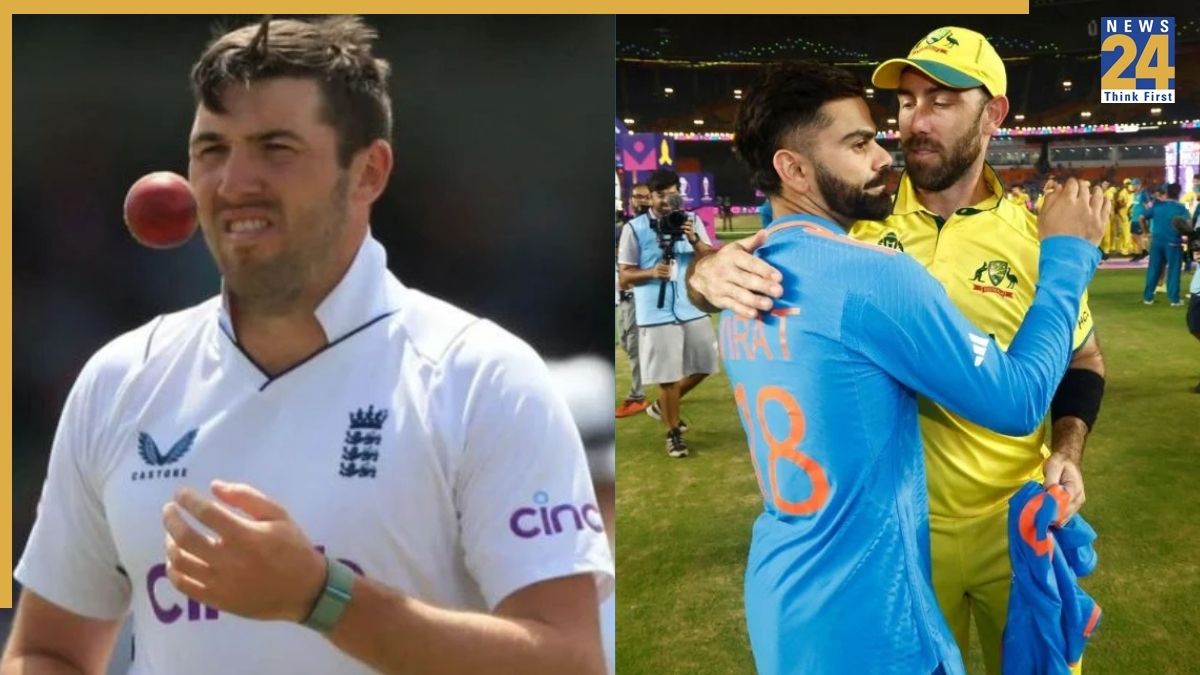

Jamie Overton’s decision to withdraw from Test cricket shines a light on the mental health challenges confronting cricketers in the modern era. The demands of playing international cricket, coupled with the pressures of the sport, can be overwhelming. Overton’s break, due to the strain of playing all three formats, underscores the need for player well-being to be prioritized.
The modern cricketing landscape is characterized by an ever-expanding schedule. Players face the demands of international fixtures and the allure of lucrative franchise cricket, leaving little time for rest and recuperation. The added pressures of pandemic-related restrictions and the necessity to consistently perform at a high level intensify the stress.
Overton’s situation reflects a broader trend. Numerous top cricketers have recognized the importance of mental health and taken breaks to address their needs. Virat Kohli’s admission of mental exhaustion, Glenn Maxwell’s openness about depression, Ben Stokes’s struggles with panic attacks, Ishan Kishan’s withdrawal, and Jonathan Trott’s battles are examples of the importance of addressing mental well-being. Cricket, a game often decided by mental fortitude, requires players to be both physically and mentally fit.