

The Asia Cup 2025, set for September 9-28 in Dubai and Abu Dhabi, is anticipated to be significantly affected by heavy dew, creating different conditions for teams playing under lights. Tony Hemming, who formerly prepared pitches in the UAE for nearly a decade, states that batting becomes much easier in the evening due to the dew. The Gulf region typically experiences high humidity in September. As temperatures drop, dew accumulates rapidly, making the ball slippery and hard to grip for bowlers. Robin Singh, former India all-rounder and former UAE head coach, shares this view, noting that dew will be a crucial factor in this year’s Asia Cup. He advises teams to bowl first if they win the toss.
Hemming explains that when a team sets a score, bowlers will often use cross-seam deliveries. The ball will carry fast if it hits the shiny side but grip if it hits the seam. The new ball may carry at first, but after about 10 overs, it will soften and hold up due to moisture from the dew. The ball will absorb this moisture, particularly in the seam area, which lacks lacquer.
Past results confirm the impact of dew. Chasing in night games in UAE stadiums has often been difficult. During the second phase of IPL 2021, a small percentage of matches in Dubai had successful chases. In the 2021 T20 World Cup, teams chasing won most of the matches at the Dubai International Stadium. While Abu Dhabi saw more balanced results, dew still impacted the outcomes.
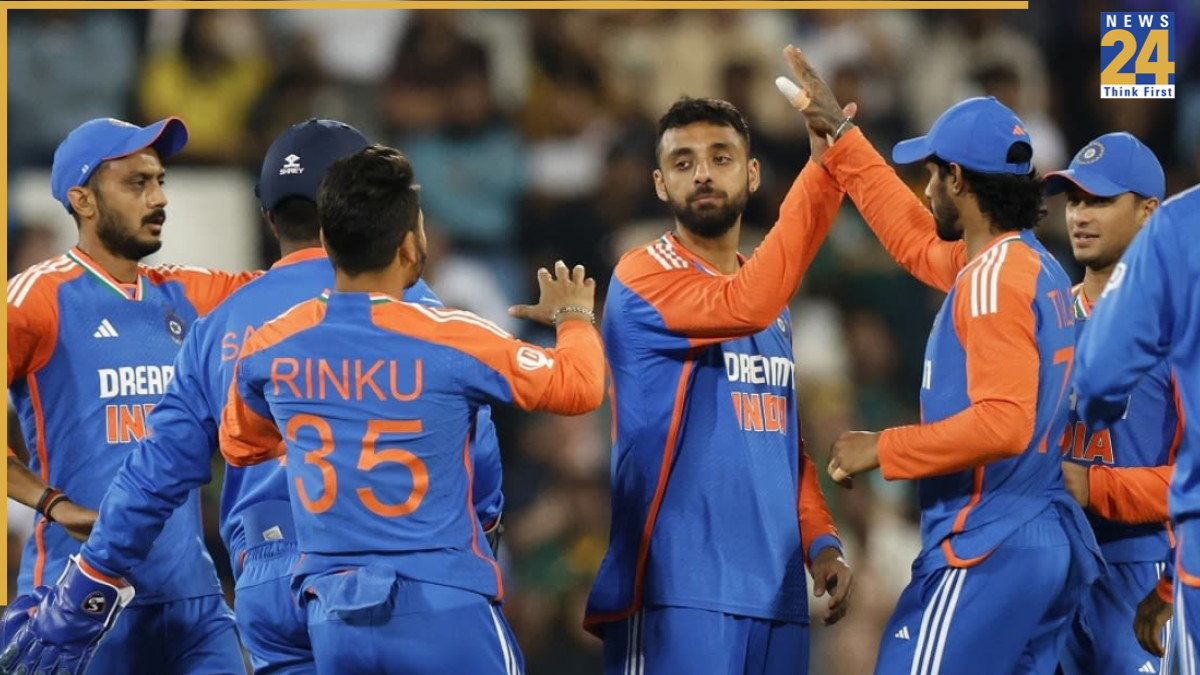
India’s campaign starts against the UAE on September 10 and continues with a match against Pakistan on September 14 in Dubai. The dew factor may be critical in determining the Asia Cup champion.