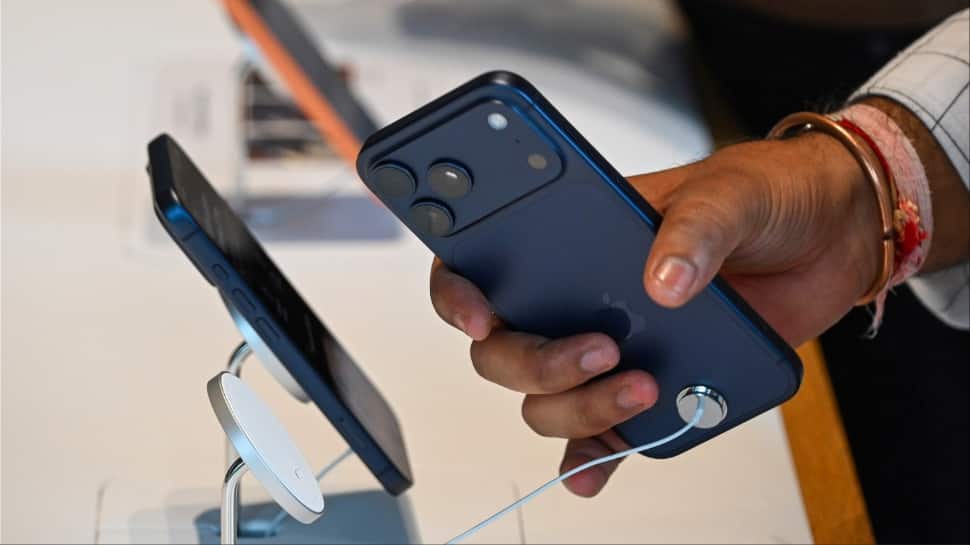

BSNL has entered the eSIM market, providing users with the convenience of making calls and accessing the internet without a physical SIM card. This move directly challenges private telecom giants like Reliance Jio, Airtel, and Vodafone Idea (Vi), who previously held a monopoly on eSIM services. The introduction of eSIM is a key step in BSNL’s strategy to upgrade its offerings and enhance its competitiveness against private sector rivals.
BSNL has partnered with Tata Communications to implement its eSIM service. The Tata Communications MOVE platform will be utilized for eSIM subscription management, facilitating the distribution of eSIMs to a large user base. This partnership supports BSNL’s goal of delivering an improved mobile connectivity experience to its customers.
BSNL’s eSIM service supports 2G, 3G, and 4G networks, making it accessible to users with eSIM-compatible devices. A. Robert Ravi, Managing Director and Chairman of BSNL, emphasized the importance of the pan-India eSIM service, stating that it will elevate the company’s telecom capabilities.
Following the deployment of its 4G network, BSNL is now focusing on the rollout of 5G services. Recent reports indicate that BSNL aims to launch 5G by the end of 2025, with initial deployments expected in Delhi and Mumbai.