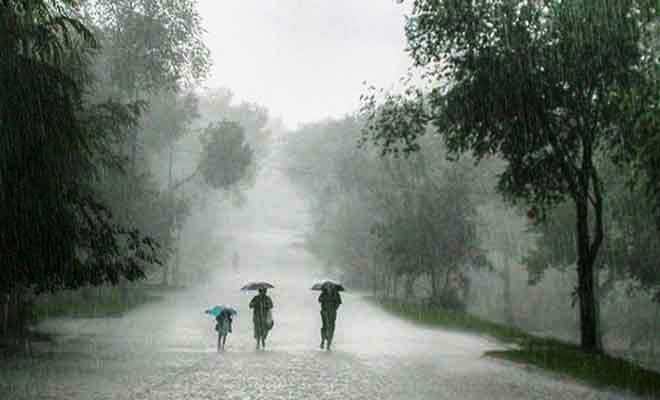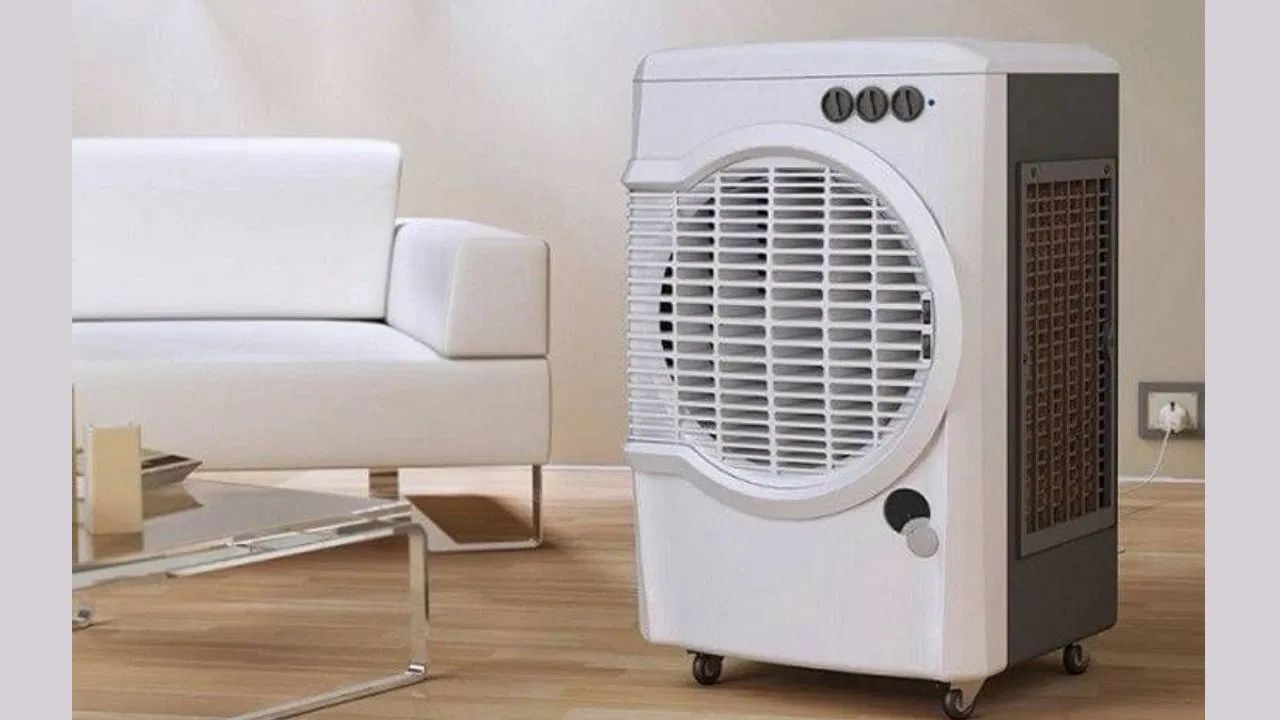

The monsoon season brings with it an increased use of coolers, as people seek ways to stay cool and comfortable. However, many are unaware of the potential dangers of using water-filled coolers during this time. Coolers operate by using the evaporation of water to cool the air. During the rainy season, the air is already saturated with moisture. Running a cooler in these conditions can exacerbate the humidity levels inside, which can have negative health consequences. The increased humidity creates an environment where fungi and bacteria can thrive, leading to potential respiratory problems, such as breathing difficulties, and an increased susceptibility to coughs, colds, and allergies. Medical experts warn that prolonged exposure to coolers during the monsoon can lead to joint pain, skin fungal infections, and an increased risk of allergic reactions. Individuals with pre-existing conditions like asthma or allergies are at an even greater risk. Furthermore, the presence of moisture increases the risk of electrical hazards. Water from the cooler could potentially come into contact with the motor or wiring, leading to short circuits or even electrocution, which can be fatal. To minimize the risks, it’s recommended to limit the use of coolers during the rainy season. If a cooler is needed, it can be used without water to circulate air without adding extra humidity. Regular cleaning of the cooler is essential to prevent the growth of bacteria. Homes with young children, elderly individuals, or those with allergies should avoid using coolers during the monsoon. It’s also important to inspect electrical wiring and plugs to prevent short circuits. While coolers provide a cooling effect in hot weather, using them with water during the rainy season can be risky. It is best to rely on natural ventilation or use a fan when possible.