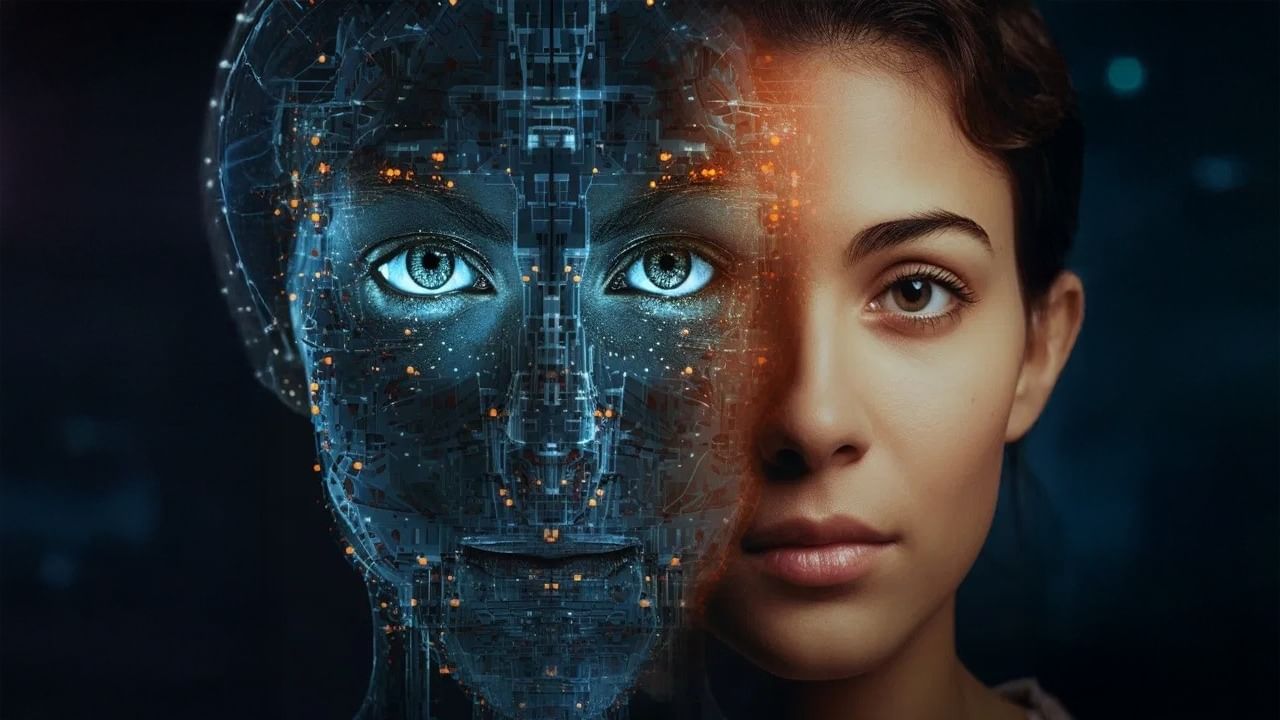

Deepfake technology, powered by AI, is capable of manipulating digital content to an unprecedented degree, raising serious concerns about its impact on individuals and society. The Danish government is at the forefront of addressing this issue, preparing to introduce strict laws to combat the misuse of deepfakes. These laws will make the unauthorized use of someone’s voice or image a punishable offense and will hold those who spread deepfake content accountable. Social media platforms will also be tasked with removing this deceptive material.
Deepfake technology involves advanced editing of audio and video using artificial intelligence (AI) and machine learning. This allows creators to alter existing content or fabricate entirely new content that appears realistic. The term ‘deepfake’ is derived from ‘deep learning’ and ‘fake,’ reflecting the technological foundations.
The process of creating deepfakes uses AI-based machine learning models, utilizing two core algorithms: the encoder and the decoder.
* **Encoder:** This algorithm analyzes the video or image of the target individual, focusing on facial expressions and voice characteristics to generate a digital representation.
* **Decoder:** Once the encoder has completed its task, the decoder takes over. It integrates the digital representation into another video or audio, repeating this process until a realistic-looking copy is produced.
**Threats Associated with Deepfakes:**
* **Political Disinformation:** Deepfakes can be used to create misleading content about political figures, potentially influencing elections.
* **Social Media Exploitation:** Deepfakes can be used for malicious purposes, such as creating fabricated videos to damage someone’s reputation or blackmail them.
* **Spread of False Information:** Deepfakes can be used to spread false news and misinformation, potentially leading to unrest.
* **Cybercrime:** Deepfake technology can facilitate banking fraud and identity theft.
**Deepfake’s Potential:**
* Disseminating misinformation and fake news
* Engaging in character assassination and cyberbullying
* Causing social and political instability
* Facilitating fraud and scams
* Undermining public trust
**How to Stay Safe:**
* Exercise caution and think before sharing sensational videos
* Verify the source of a video
* If you have any doubts, use tools like Google Reverse Image Search to check videos
* Don’t trust everything you see online without verifying it
* Report any suspicious content on social media
**Future of Deepfakes:**
As AI and machine learning continue to develop, deepfake technology is expected to become even more advanced and realistic. This will likely lead to an increase in the risks associated with deepfakes. Although there are some positive applications, the potential for misuse is significant.
**International Response:**
There is growing global concern about the misuse of deepfake technology. Countries like the United States, the European Union, and India recognize the issue as a matter of national security. International organizations are advocating for a global framework that allows each country to implement laws and regulations to combat deepfakes.