
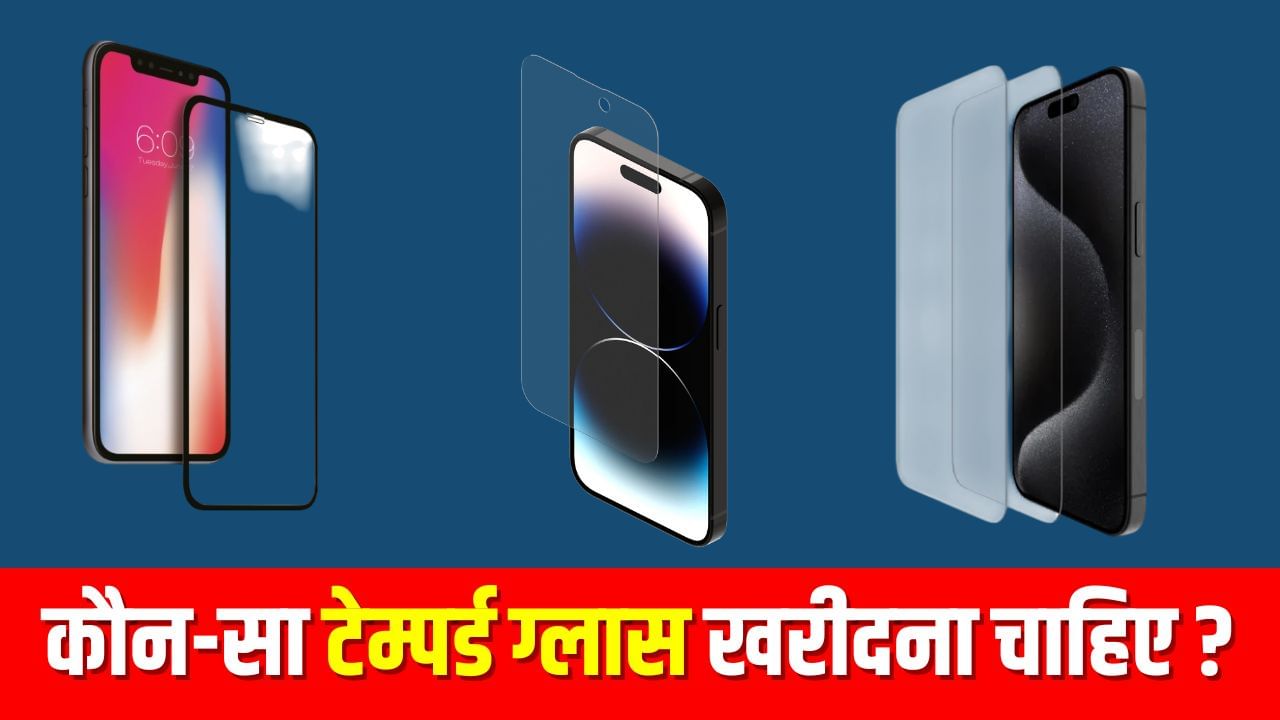

Protecting your smartphone screen with tempered glass is a common practice. But the range of options available can be confusing. This guide breaks down the differences between 2D, 3D, 9H, and 11D tempered glass.
2D Tempered Glass: The Basics
2D tempered glass is the most basic and affordable type. It covers only the flat part of the screen, leaving the edges exposed. This is suitable for phones with flat displays, but less effective for curved screens due to its tendency to peel off and lack of edge protection.
3D Tempered Glass: Ideal for Curved Screens
3D tempered glass is designed to fit curved displays. The edges are curved to provide complete screen coverage. This makes it the better choice for smartphones with curved screens. The fit is smooth, and it gives the phone a premium appearance.
11D Tempered Glass: Enhanced Protection Explained
11D tempered glass is often marketed as more advanced than 2D or 3D. However, the use of terms like 4D, 5D, 9D, or 11D is primarily a marketing strategy designed to mislead consumers and suggest a superior product. Many believe that the “D” indicates hardness, and the higher the “D”, the stronger the tempered glass. Companies leverage this belief by marketing glasses from 4D, 5D, 9D to 11D.
The reality is that the dimensional aspect is limited to only 3. What is sold as 11D is actually 2.5D glass. Remember that the actual strength of tempered glass is measured by the ‘H’, like 9H hardness.
9H denotes the hardness rating, which means it protects against scratches and impacts. Everyday scratches caused by things like keys or coins typically won’t damage your screen.
Making the Right Choice
If your phone has a flat screen, 2D or 9H tempered glass is a good option. For curved displays, 3D or 11D are recommended. For those seeking maximum durability, a more expensive tempered glass might be the better option as it maintains touch sensitivity and helps control heat.