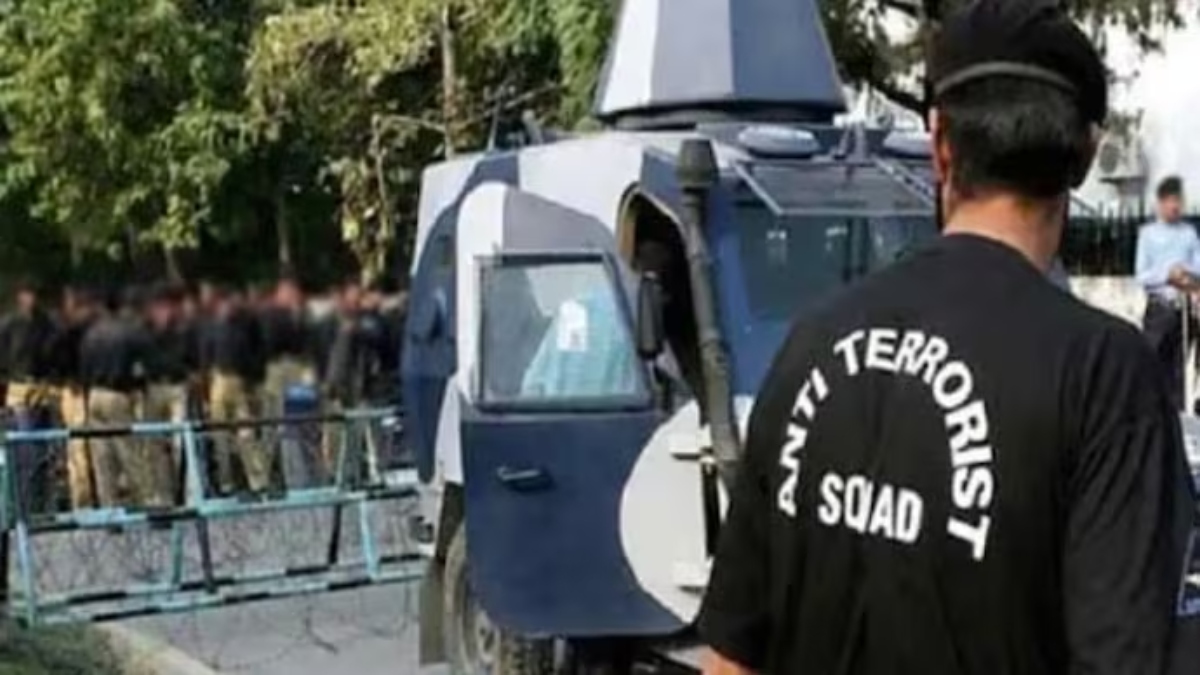

The internet is a fundamental component of contemporary existence. In times of crisis, such as riots or heightened tension, the government frequently exercises its power to suspend internet services across entire cities. This practice was recently observed in Bareilly, Uttar Pradesh, where a 48-hour internet ban was implemented as a response to violence stemming from the ‘I Love Muhammad’ controversy. The stated goal is to mitigate the spread of misinformation and rumors.
Why Shut Down the Internet?
The internet has unfortunately been exploited to foment communal strife and violent incidents in India. The ease of sharing and disseminating false news, rumors, and provocative material via social media platforms requires quick reactions. To maintain order, the government can temporarily shut down internet access.
How is the Internet Shutdown Implemented?
The process is analogous to switching off a home Wi-Fi router. When the router is off, the signal is cut off, and internet service is unavailable. Mobile towers serve the function of providing internet signals.
To implement a city-wide or regional internet shutdown, the government gives an order to shut down mobile towers. Telecommunications companies comply by halting their network services.
Role of ISPs and Government Orders
Internet Service Providers (ISPs) in India are legally bound to follow government directives. The government can, via issuing orders, command ISPs to restrict internet access. On receiving the order, the ISPs disconnect network access, causing the entire city’s internet service to cease.