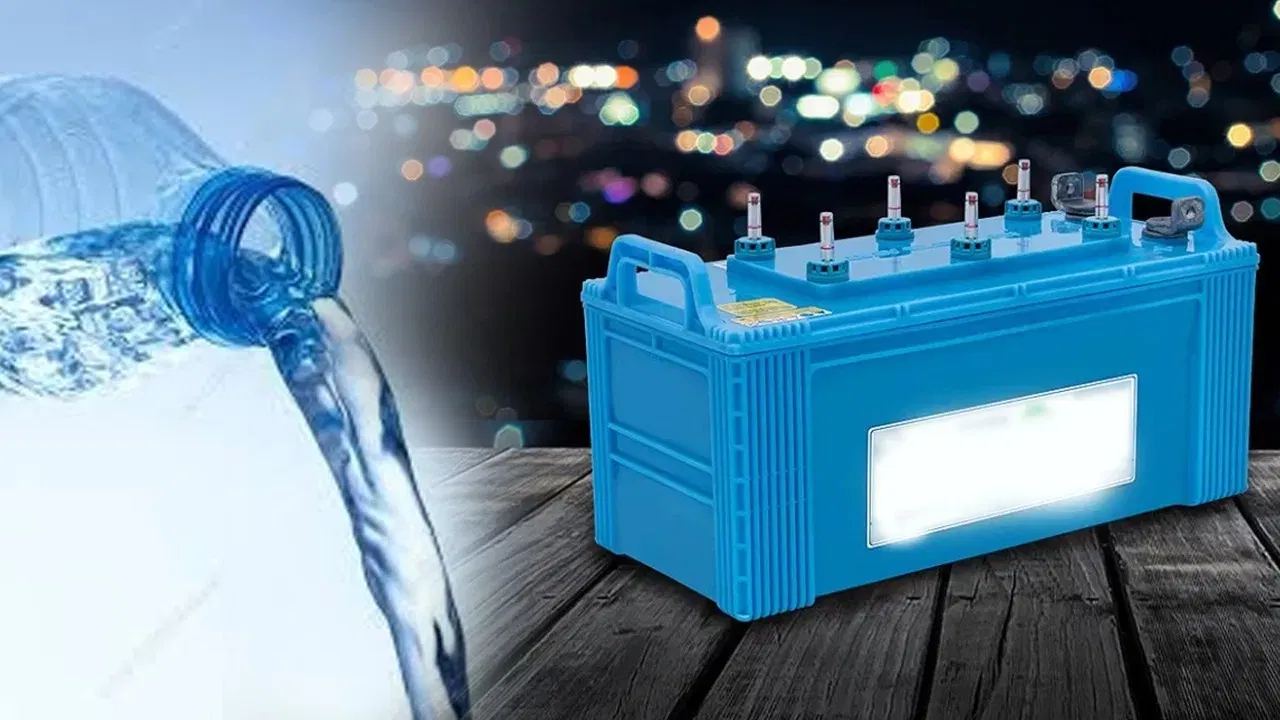

Inverters are invaluable during power outages, but their effectiveness hinges on proper battery care. A common oversight is the addition of distilled water. This article explains the critical role of water in your inverter battery’s operation and how to avoid common mistakes.
Inverter batteries use lead-acid cells which rely on an electrolyte solution. As the battery is used, water evaporates. If not replenished, the electrolyte level drops, affecting performance.
Adding distilled water ensures that the electrolyte level is maintained and the battery functions correctly. This also extends the battery’s life, prevents overheating and damage. Insufficient water can cause the battery to overheat, potentially leading to failure. Correct water levels enable the battery to charge fully and provide optimal backup.
Never use tap water. It contains impurities that damage the battery’s internal components, reducing its lifespan and backup capacity.
Check your battery monthly. Add distilled water to cover the plates, avoiding overfilling.