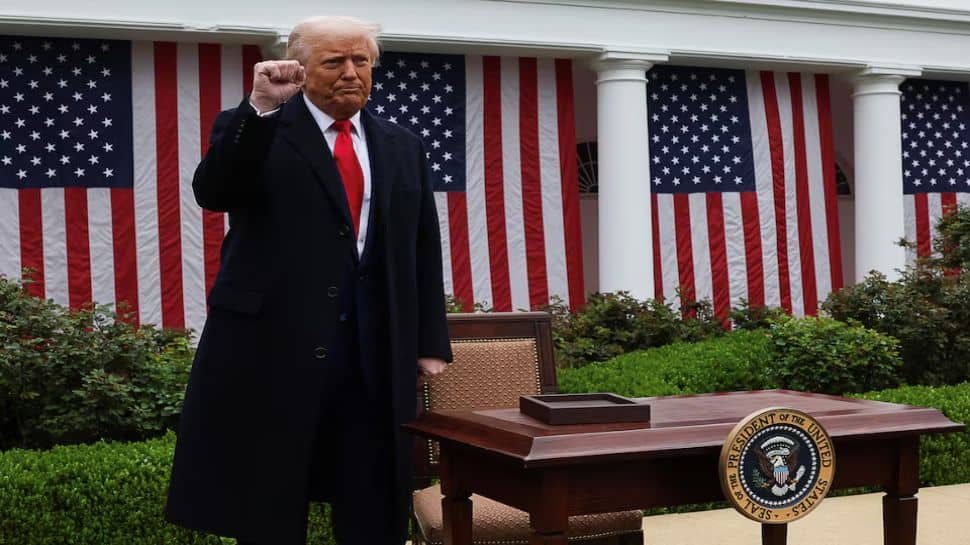

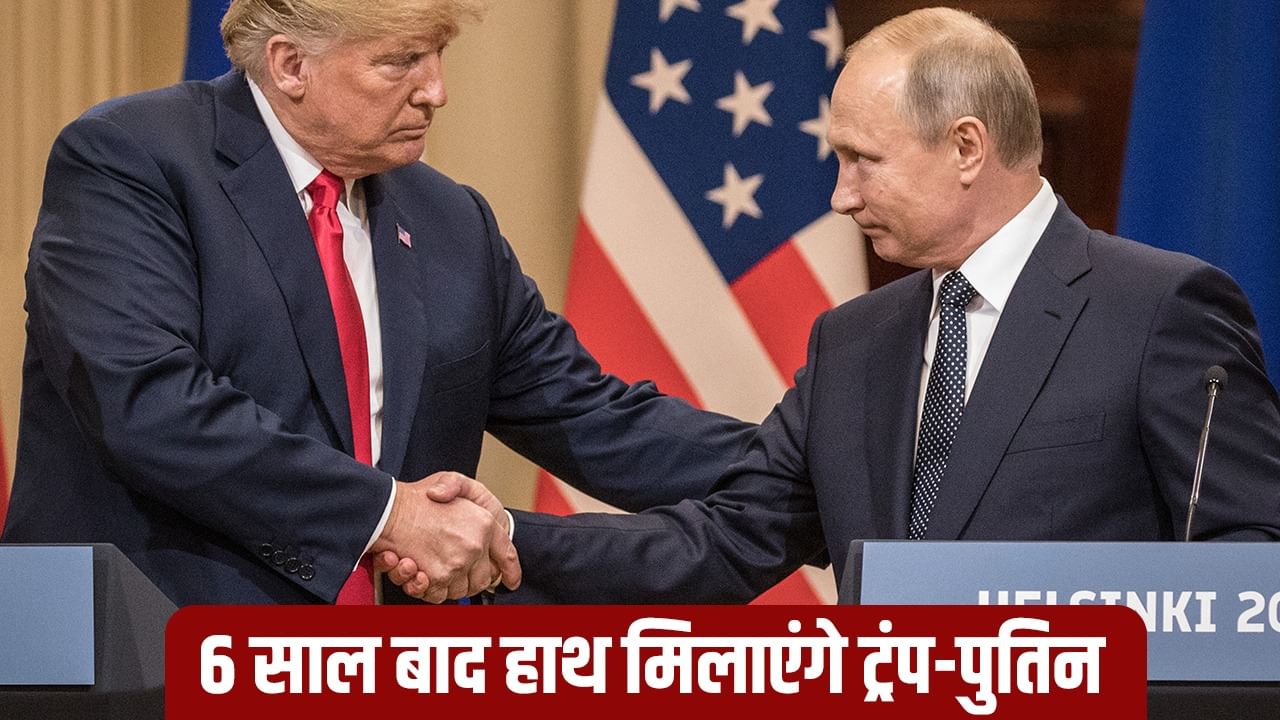

The highly anticipated summit in Alaska between Donald Trump and Vladimir Putin is on the horizon, with significant implications for the ongoing conflict in Ukraine and the future of Europe. The meeting involves key players: former U.S. President Donald Trump, who is focused on ending the war and potentially winning a Nobel Peace Prize; Russian President Vladimir Putin, who is aiming to counter NATO’s expansion; Ukrainian President Volodymyr Zelensky, who is determined to defend Ukraine’s sovereignty; and the European Union, which is focused on preventing a peace deal on Russia’s terms.
The main topic of discussion at the Alaska summit is whether a ceasefire can be achieved or if the situation will escalate into a wider war. Trump’s main objective is to secure a ceasefire, and he has presented a proposition for a new West Bank-style arrangement in Europe.
This model, similar to the situation in the Israeli-occupied West Bank, would allow Russia to keep control of the territories it has captured without formally incorporating them into Russia. The plan was developed by Trump’s special envoy, Steve Witkoff, and will be presented to Putin. The summit will not address border issues directly; however, it will propose that Russia controls the captured Ukrainian territories while the land remains under Ukrainian sovereignty.
Key features of the proposed West Bank model include:
* Ukraine’s land remaining under its jurisdiction.
* No alterations to Ukraine’s borders.
* Russian control over the occupied territories.
* Deployment of Russian military forces.
* Establishment of a civil administration.
* Russian control over mineral resources.
Trump’s plan aims to stop the fighting, but its success depends on Putin’s agreement and the willingness of Ukraine and Europe to accept the model. The implementation of the West Bank model in Ukraine could lead to ongoing armed conflict in eastern Ukraine, an increase in militant activities, instability in neighboring Baltic countries, and potential unrest in various European nations. The European countries are likely to resist the West Bank model. If Trump and Putin reach an agreement on this model, the only option for Europe could be a major war.
The possibility of a large-scale war looms if the West Bank plan is enacted. The coalition of 33 nations that support the plan might oppose Trump’s plan, potentially increasing aid to Ukraine and potentially leading European countries to participate in the war against Russia, raising the risk of a global conflict. Some observers fear that Trump’s pursuit of peace may inadvertently trigger a major war.
Trump, wanting to be recognized for his peacemaking role, is focused on securing a ceasefire and has arranged an attractive offer for Putin, which includes giving Russia a share of Alaska’s resources.
Trump is ready to offer Russia a share in Alaska’s mineral resources, including rare earth minerals, renewable energy minerals, and minerals vital to the defense sector, which was prepared by Treasury Secretary Scott Baesant, as well as significant deposits at the Bokan Mountain, Ray Mountain, and Windy Fork regions.
Trump has prepared a comprehensive package of minerals, land, and financial incentives for Putin. Moreover, the U.S. may reduce the sanctions placed on Russia. In preparation for the summit, the U.S. Treasury Department has already removed restrictions on Russia’s international financial transactions, which are important for Putin’s trip to Alaska. As Putin’s plane prepares to depart for Alaska, the key question remains: Will Trump’s offer facilitate a ceasefire or become the basis for a broader conflict?