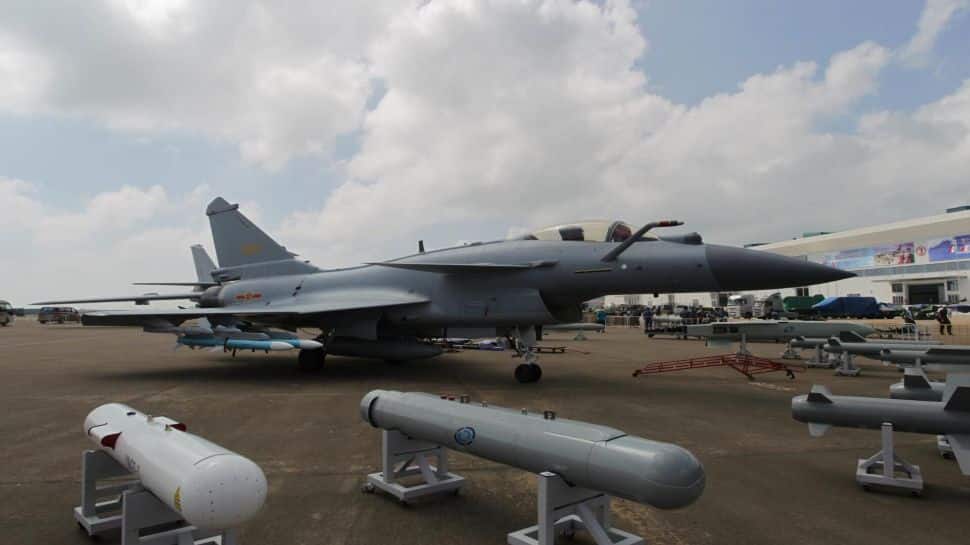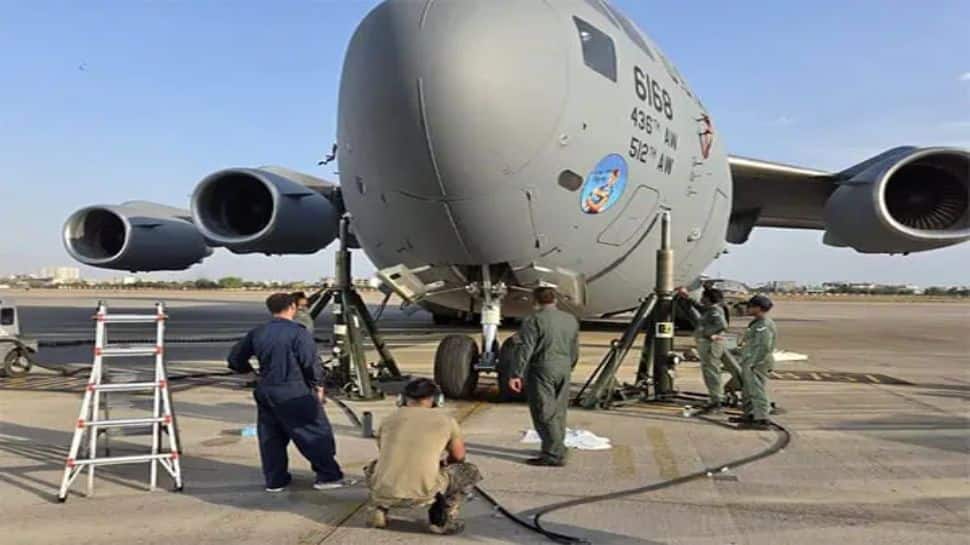

A recently declassified Pentagon report has revealed a deeply concerning shortfall in the United States Air Force’s fighter jet inventory, suggesting the nation’s aerial dominance is at risk. The assessment, presented to Congress, states the USAF requires 1,558 combat-ready fighters to adequately address future threats, a figure significantly higher than the approximately 1,271 aircraft currently available. This gap, characterized by internal sources as a critical ‘wake-up call,’ could compromise the U.S. ability to achieve and maintain air superiority in contested environments, whether in the Indo-Pacific or Eastern Europe. The report meticulously outlines the risks associated with insufficient numbers, labeling a fleet below 1,367 fighters as ‘medium risk’ and any number lower as ‘high risk,’ where mission success is severely jeopardized. The modernization of the USAF’s fighter force is proving to be a formidable challenge. While new platforms like the F-35A, F-15EX, and the B-21 Raider are being introduced, their integration is hampered by production delays and software development issues, particularly impacting the F-35 program. This sluggish transition means the Air Force must continue relying on and maintaining older aircraft, such as the F-15C/Ds and the soon-to-be retired A-10 Thunderbolt IIs. However, sustaining these legacy fleets incurs substantial financial costs and logistical hurdles, including the scarcity of spare parts and overburdened maintenance facilities. Pilot shortages, exacerbated by training backlogs and retention difficulties, further compound these challenges. In an effort to bridge the capability gap, the USAF is exploring advanced concepts like the Collaborative Combat Aircraft (CCA) program, aiming to deploy AI-driven drones as unmanned wingmen. The success of these autonomous systems in warfare, however, remains a future proposition. The report underscores that without a substantial and rapid increase in its fighter numbers, coupled with technological advancements and sustained investment, the U.S. Air Force faces the real possibility of losing its long-held edge in air power.