
Reports indicate that the Baha’i community is facing increasing government repression in Qatar and Iran. Human rights organizations are documenting the arbitrary arrest, property seizures, and lengthy sentences being imposed on Baha’is. This pattern of persecution is also witnessed in Yemen, Bahrain, and Egypt.
The Baha’i faith, which emerged in the 1860s, centers on the belief in the unity of all religions and humanity. In many Muslim-majority countries, the faith is viewed with suspicion. This is partially due to the Baha’i belief in a Persian prophet, contrasting with the Islamic belief that Muhammad is the final prophet.
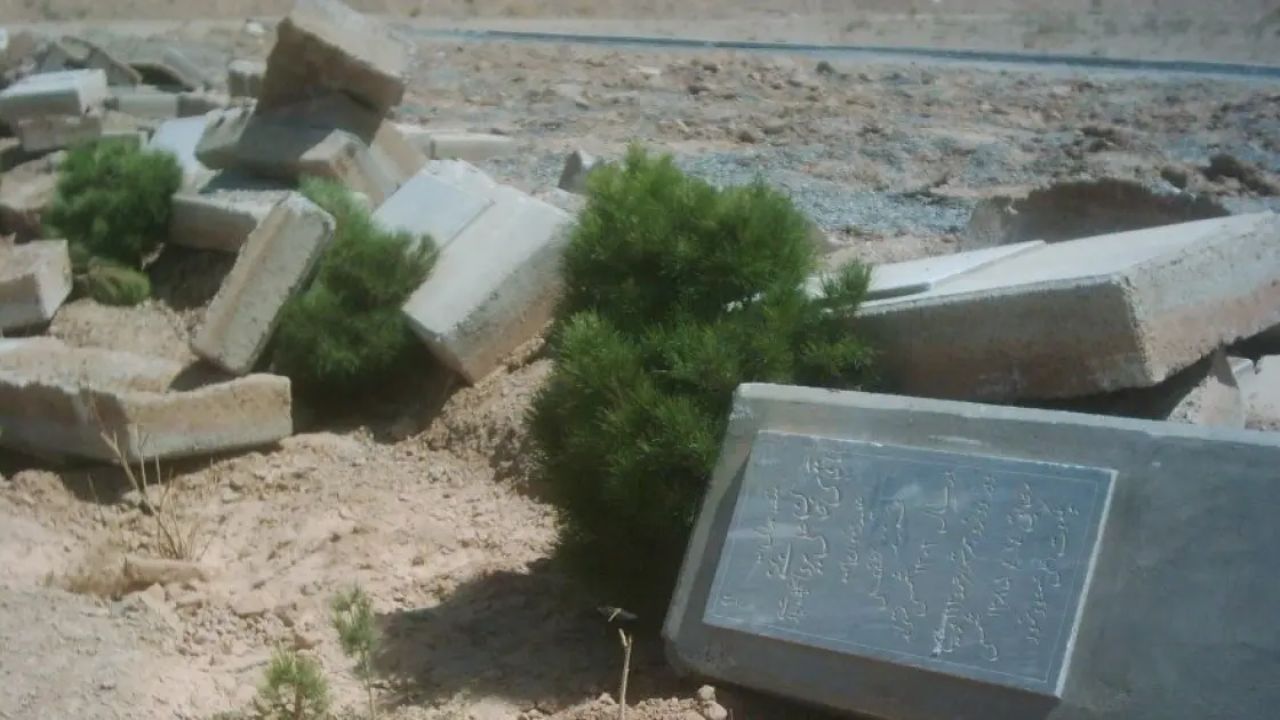
In Qatar, the government is actively working to remove Baha’is from the country, blocking the rebuilding of their cemeteries, and refusing to validate their marriage certificates. Furthermore, Baha’i leaders are being penalized for openly practicing their faith.
A prominent case involves Remi Rohani, a key figure in the Qatari Baha’i community. The 71-year-old was sentenced to five years in prison for sharing Baha’i holiday greetings and promoting Baha’i teachings on social media, with the court claiming he questioned Islamic doctrine.
Rohani also faced accusations of illicitly collecting and transferring funds abroad, despite the government’s prior knowledge of the activities. His daughter, residing in Australia, has expressed her deep sadness and shock at the ruling.
The United Nations and other human rights organizations have stated that Qatar’s actions go against the protection of religious freedom, which is enshrined in the Qatari constitution. Despite these assurances, the Baha’i community continues to be targeted.
In Iran, the situation is even more dire. Baha’is are being arrested without any clear justification. Keyhan Maghsoudi has been imprisoned in Urmia since June. Armaghan Yazdani’s detention in Shiraz has been extended, and Roxana Vojdani has been placed under house arrest for a two-year period.
Shahram Fallah, 64, was arrested in Kerman without any charges. In Isfahan, government agencies raided the homes and businesses of ten Baha’i families. In Hamadan, six Baha’i women received a collective sentence of 39 years. In Tehran, Baha’i artist Paria Marandi was accused of protesting the government and insulting religious sensibilities.
Discriminatory practices also extend to education. Baha’i students in Iran are being denied access to universities, with their results listed as under review, which is a barrier to their further studies. Similar cases of exclusion impacted 129 Baha’i students last year. It is suggested that a concealed government policy is in place to systematically exclude Baha’i students from education.
International organizations, including the United Nations, Amnesty International, and Human Rights Watch, have cautioned that the persecution of the Baha’i community represents a breach of religious freedom. These events make clear that Baha’is in Qatar and Iran are being punished solely because of their religious beliefs, in violation of basic human rights.