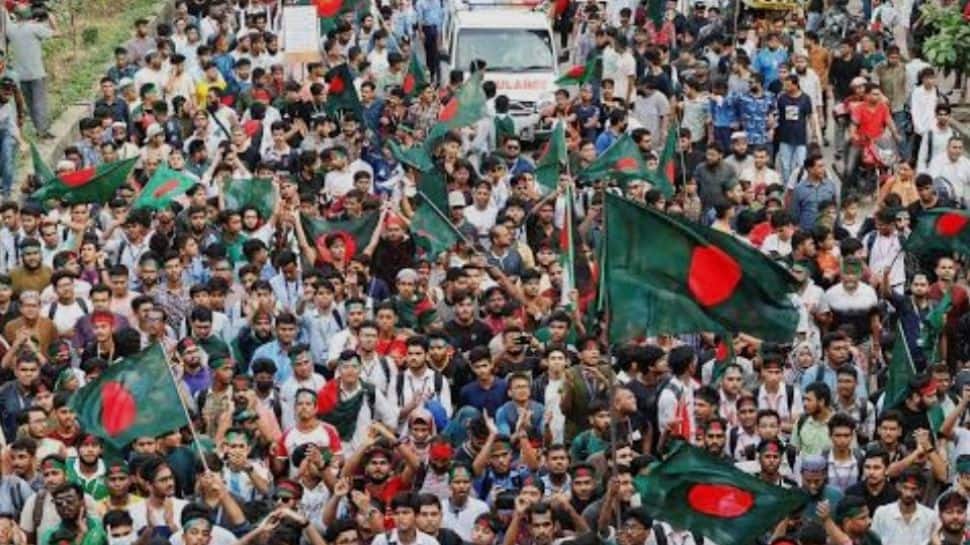
As Bangladesh braces for its general elections in February 2026, a wave of unrest is sweeping the nation. The recent mob lynching of Hindu youth Dipu Chandra Das in Mymensingh and the death of Inqilab Moncho leader Sharif Osman Hadi have ignited widespread protests and heightened political tensions. In India, security was bolstered near the Bangladesh High Commission in Delhi in anticipation of demonstrations against the lynching of Dipu Chandra Das. The tragic incident involved Dipu Das, a garment worker, being beaten to death by a mob on December 18 over accusations of blasphemy, with his body reportedly desecrated. The fallout has extended to diplomatic channels, with Bangladesh temporarily halting visa operations in Delhi and Siliguri, and the Indian Visa Application Centre in Chittagong also suspending services due to security concerns. Bangladesh has officially protested alleged attacks on its diplomatic missions in India. Concurrently, a prominent activist group, Inqilab Moncho, has threatened a major protest to force the ouster of the interim government if justice is not meted out for the assassination of its convenor, Sharif Osman Hadi. Hadi was shot on December 12 in Dhaka and died on December 18 after being transferred to Singapore for medical attention. A day of national mourning was observed. Hadi was also considered a contender for the Dhaka-8 seat in the upcoming general elections. The government has pledged to fast-track the investigation and trial for his murder. Despite the prevailing instability, Chief Adviser Professor Muhammad Yunus has affirmed the government’s resolve to hold the general elections on February 12, 2026, promising a fair and peaceful electoral environment.
Related Posts