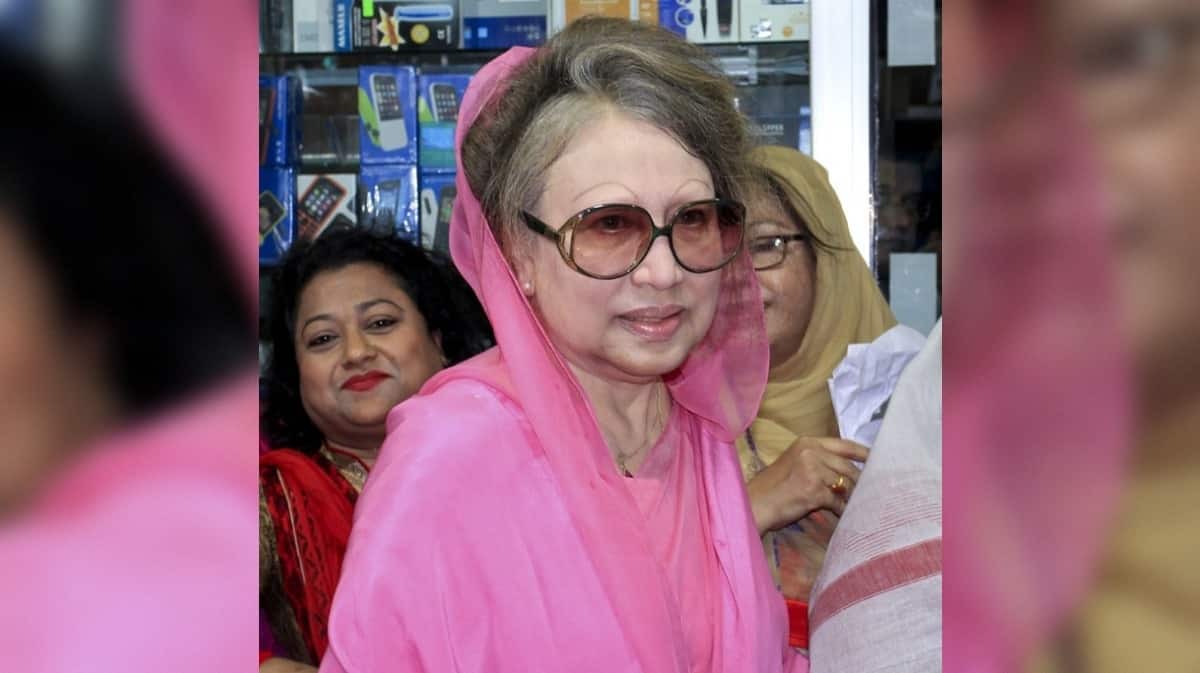
Khaleda Zia, a prominent political figure in Bangladesh, chairperson of the Bangladesh Nationalist Party (BNP), and a former Prime Minister, has died at the age of 80. She passed away in the early hours of today at Evercare Hospital in Dhaka, where she had been undergoing treatment for a severe and prolonged illness. The BNP announced her death on its verified social media channels, specifying the time as approximately 6:00 AM, shortly after the Fajr prayer. Her demise is a profound loss for her party and its numerous supporters, particularly as she was expected to contend in the upcoming February national elections despite her critical health condition. This comes shortly after her son, Tarique Rahman, filed nomination papers for Dhaka and Bogura constituencies upon his return to Bangladesh after 17 years in exile.
The former Prime Minister had been grappling with multiple chronic ailments, encompassing heart complications, diabetes, arthritis, liver cirrhosis, and kidney issues. She was continuously monitored in the Coronary Care Unit (CCU) at Dhaka’s Evercare Hospital, with both local and international specialists involved in her medical care. According to available information, Zia was admitted to the hospital on November 23, based on her medical board’s advice, after contracting infections affecting her heart and lungs. As her health declined, she was moved to the CCU on November 27 for round-the-clock critical care. Preparations for an air medical transfer to London were ultimately unfeasible due to her fragile medical state.
Khaleda Zia emerged as a leading political force after the assassination of her husband, President Ziaur Rahman, who founded the BNP. She led the party for decades, significantly influencing Bangladesh’s political trajectory. Her tenure as Prime Minister, spanning 1991-1996 and 2001-2006, marked her as the first woman to hold the office in the country. Her decades-long political rivalry with Sheikh Hasina was a defining feature of modern Bangladeshi politics, leaving a lasting legacy on the nation’s democratic development and electoral history.