
Bangladesh is set for a significant constitutional overhaul following President Mohammed Shahabuddin’s official enactment of the July National Charter (Constitution Reform) Implementation Order, 2025. This landmark order introduces a bicameral parliamentary system and redefines the constitutional amendment process, removing the automatic adoption clause for reforms if the Reform Council falters.
The next parliament, once approved by referendum, will wear two hats: it will serve as the national legislature and also as the Constitutional Reform Council. This council is mandated to finalize and implement constitutional changes within a 180-day timeframe following its inaugural session.
A major development within this order is the establishment of a bicameral legislature. The Upper House, a new component of the Jatiya Sangsad, will be elected via a proportional representation (PR) system. This ensures that the composition of the Upper House accurately reflects the national electorate’s choices, with parties receiving seats based on their vote share.
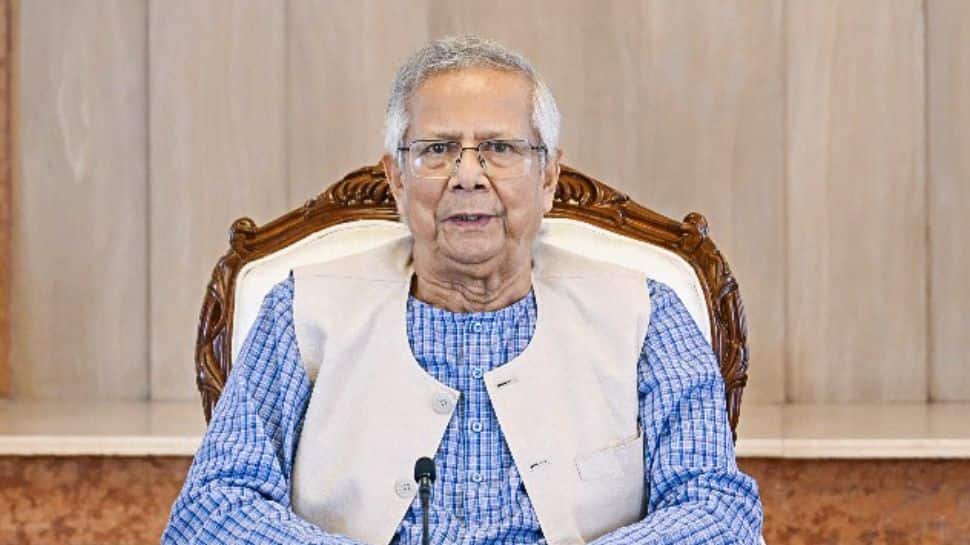
Chief Adviser Professor Muhammad Yunus provided critical details regarding the Upper House. He stated it will feature 100 members, with their selection directly tied to the proportional vote count in the general elections. Importantly, any attempt to amend the constitution will need the approval of more than half of the Upper House’s members, underscoring its role as a crucial deliberative and approving body. This Upper House will remain active throughout the Lower House’s tenure.