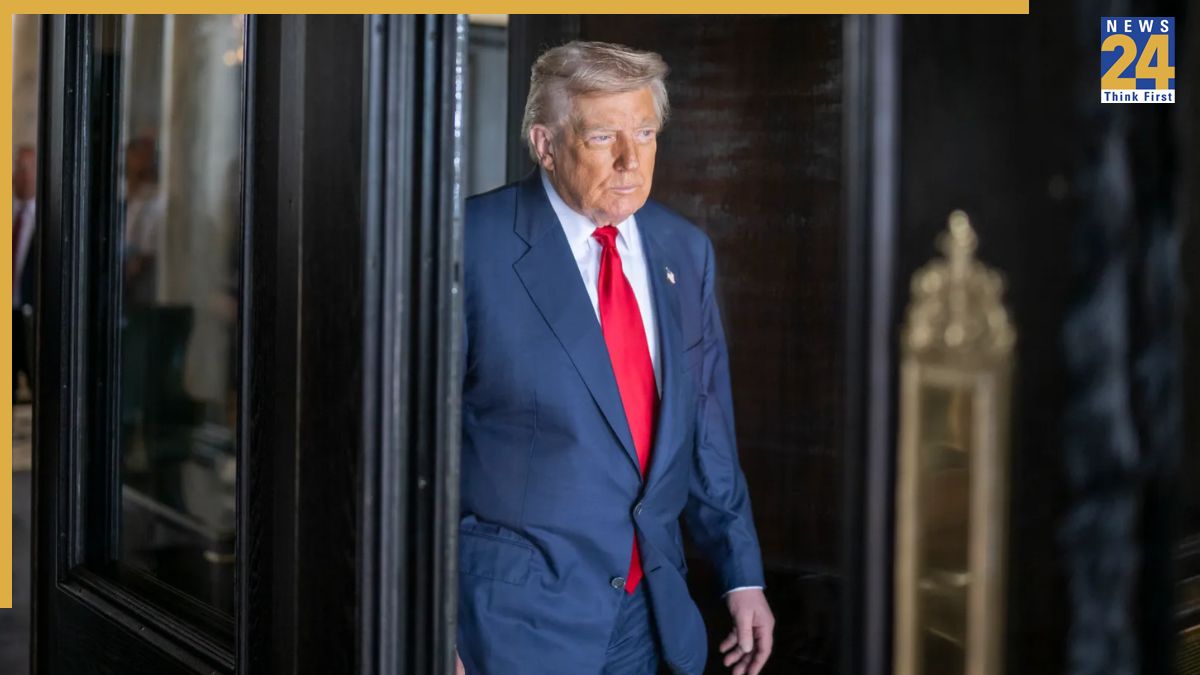

In reaction to former US President Donald Trump’s suggestion of imposing 50-100% tariffs on China to stop Russian oil imports, China strongly responded, declaring it neither plans nor participates in wars. This response comes amid China’s status as one of Russia’s major oil customers.
At a joint news conference in Ljubljana, Slovenia, Wang Yi told his Slovenian counterpart that conflict resolution cannot be achieved through war, and sanctions further complicate the situation. Trump, in a letter to NATO members and the broader world, proposed substantial sanctions on Russia contingent upon full agreement and the cessation of Russian oil purchases by all NATO nations. He criticized NATO’s commitment, particularly the continued purchase of Russian oil, which he argued weakened their bargaining position. Trump signaled his readiness to proceed with sanctions once there was consensus among the members.
The US had previously implemented a 50% tariff on India for buying Russian oil. However, no similar sanctions have been enacted on China, despite its close strategic relationship with Moscow. The US has also been urging G7 nations, a group that includes several NATO members, to increase pressure on Russia by imposing tariffs on both China and India, which are significant buyers of Russian oil.
According to US Secretary of the Treasury Scott Bessent, only coordinated action to stop the flow of funds to Putin’s war effort can create the necessary economic pressure to end the violence, as conveyed to the G7 Finance Ministers.