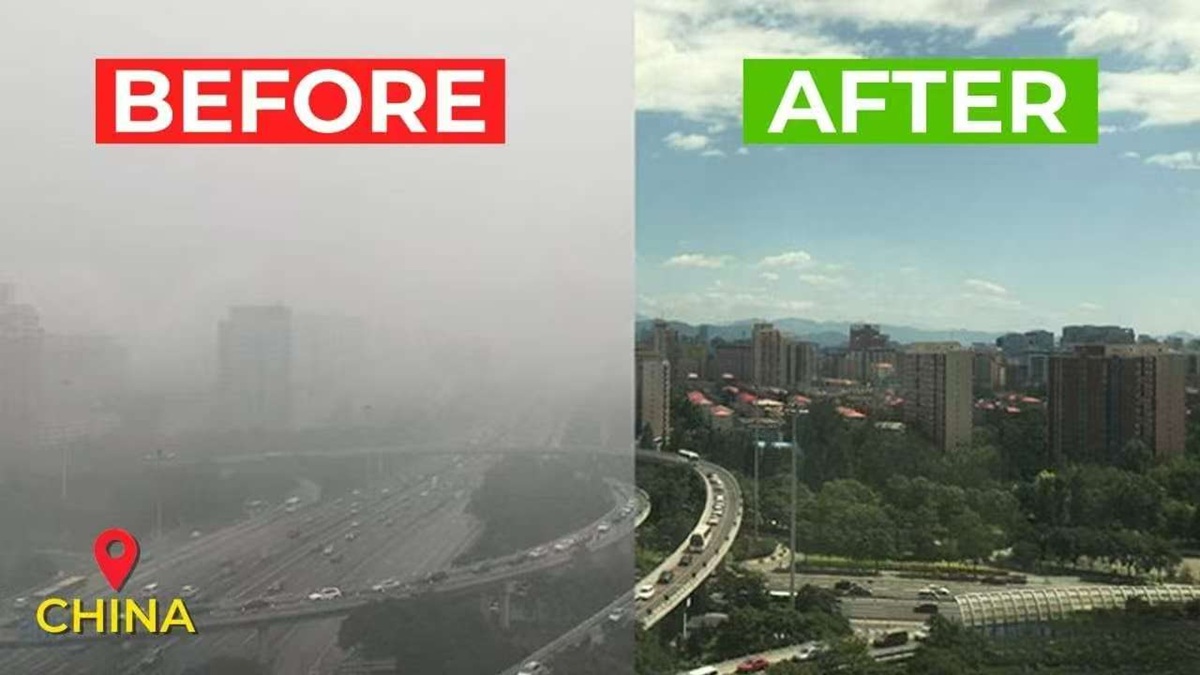

Delhi’s skies are once again choked by the infamous winter smog, a perennial problem intensified by crop residue burning in neighboring agricultural states, along with emissions from vehicles, industries, and construction dust. This recurring environmental crisis prompts a critical question: can Delhi learn from Beijing’s dramatic turnaround? A decade ago, Beijing was synonymous with toxic air, often earning the moniker ‘smog capital.’ However, through massive policy reforms and substantial financial backing, China’s capital has seen significant air quality improvements. Beijing has now extended an offer to share its pollution control strategies with India.
China’s response to its air pollution crisis was decisive and multifaceted. Recognizing the severe health risks, including respiratory disorders and premature deaths, associated with extremely high nitrogen dioxide levels, Beijing implemented a range of tough corrective actions. These included removing vehicles from roads during peak pollution times, mandating temporary shutdowns for factories, and enforcing stricter emission standards. A key initiative was the 2013 launch of a five-year plan dedicated to pollution control. This plan actively promoted electric vehicle adoption, encouraged the widespread use of bike-sharing services, and implemented measures to divert heavy truck traffic from densely populated urban areas. The scale of this effort was immense, reportedly supported by a budget of around $270 billion, with a strategic focus on achieving sustainable growth while safeguarding public health.
The effectiveness of these measures is evident in Beijing’s air quality data. The Energy Policy Institute at the University of Chicago reports that Beijing’s pollution levels plummeted by 42.3% between 2013 and 2021. Experts attribute this success to a systematic approach involving continuous monitoring, strict policy adherence, and significant financial investment. The positive environmental impact in Beijing also contributed to a slight global improvement in air quality during this period.
China’s innovative financing models for environmental protection have also been recognized. The World Bank pointed to the ‘Innovative Financing for Air Pollution Control in the Jing Jin Ji region’ as a groundbreaking initiative that harmonized green finance with energy policy. Employing a ‘Program for Results’ approach, this project was aligned with national action plans aimed at reducing pollution through enhanced energy efficiency and the promotion of clean energy technologies.
Regional cooperation emerged as a critical component of Beijing’s successful strategy, a lesson directly relevant to Delhi. Research indicates that a substantial portion of pollutants affecting Beijing originated from surrounding provinces, particularly during the winter months. This phenomenon is strikingly similar to Delhi’s situation, where stubble burning in Punjab and Haryana significantly worsens winter smog. While urban emissions, traffic, and dust are constant factors in Delhi, crop burning acts as a major seasonal catalyst. The Supreme Court’s persistent calls for stronger action on stubble burning from both the central government and state administrations underscore the necessity of inter-state coordination to effectively tackle Delhi’s pollution crisis.
Beijing’s transformation highlights the potent combination of strict enforcement and unified governmental action. While India may not have China’s extensive financial resources, it is pursuing a national strategy through the National Clean Air Programme, launched in 2019. This program aims for a 20-30% reduction in particulate pollution by 2024, using 2017 levels as a baseline.
China’s offer to share its experiences is a welcome development. A spokesperson for the Chinese Embassy in India stated that China, having navigated its own severe smog challenges, is prepared to share its successful journey toward achieving cleaner skies and expressed confidence in India’s eventual success. This willingness reflects China’s own commitment to overcoming a protracted battle for environmental improvement.