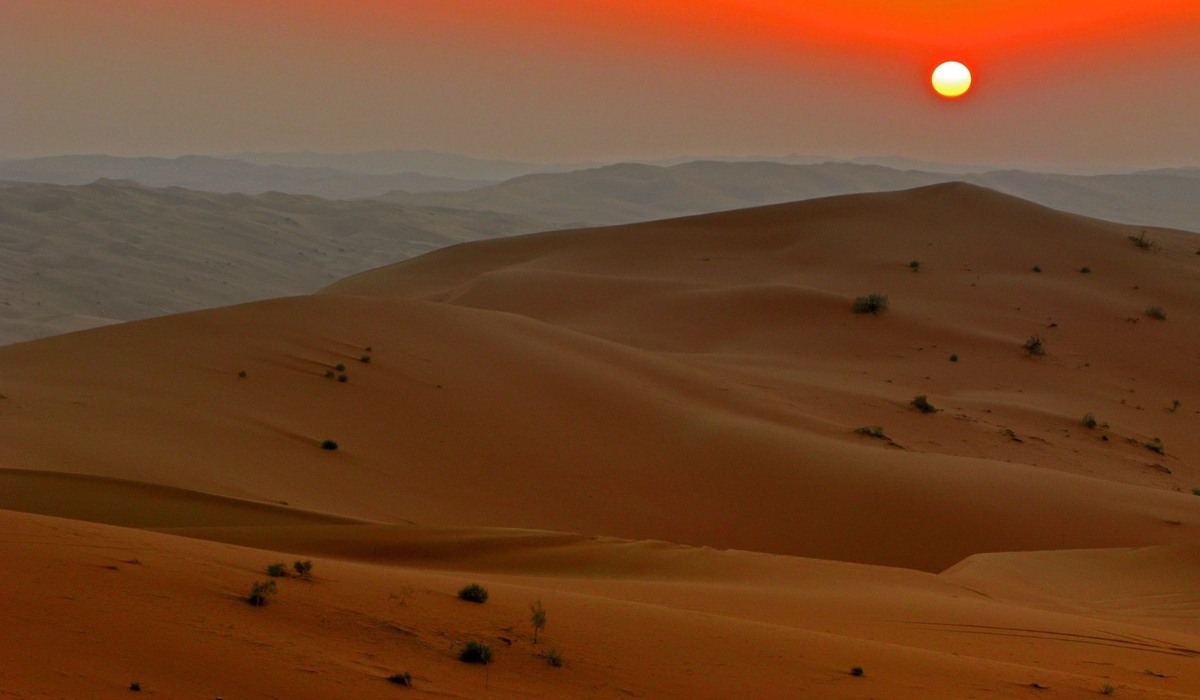

Could you imagine life without rivers? For citizens of 18 countries worldwide, this is their everyday reality. These nations, from arid desert expanses to small island communities, have mastered the art of surviving and thriving without the natural lifelines that most of us take for granted.
Their approach to water security is multifaceted, relying heavily on technological prowess and careful stewardship of available resources. Desalination stands out as a critical technology, especially for nations in the Middle East like Saudi Arabia, UAE, Kuwait, Qatar, Oman, Yemen, and Bahrain. These countries have invested heavily in converting ocean water into freshwater to support their growing populations and economies.
Beyond desalination, these nations tap into underground aquifers and implement advanced rainwater harvesting techniques. In regions like Oman and the UAE, temporary riverbeds known as wadis provide a crucial water source during and immediately after periods of significant rainfall.
Africa’s contribution to the list includes Libya and Djibouti, where desert conditions prevail. Europe’s riverless territories are Malta, Monaco, and Vatican City, which depend on groundwater and stored rainwater.
Oceania and the Caribbean are home to several island nations without permanent rivers, including The Bahamas, Maldives, Kiribati, Marshall Islands, Nauru, Tonga, and Tuvalu. They depend on collected rainfall and limited underground water reserves. The Maldives faces particular pressure from rising sea levels, which threaten to contaminate its freshwater sources.
The success of these countries in sustaining urban development, agriculture, and daily life is a testament to human ingenuity. Through strategic planning, technological innovation, and a deep understanding of water management, they have overcome significant natural limitations, proving that a lack of rivers does not preclude a prosperous future.