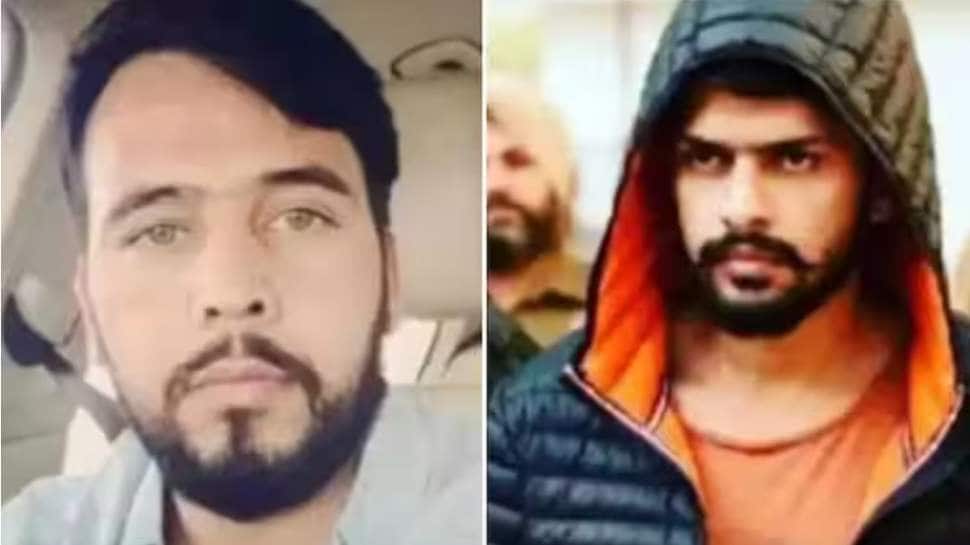

A surge in gang-related activity in Canada has been underscored by an attack on Punjabi singer Teji Kahlon, with the Rohit Godara gang publicly claiming responsibility. This incident points to the growing volatility of conflicts between Indian organized crime elements operating within Canadian borders, mirroring tensions associated with the Lawrence Bishnoi network.
The Rohit Godara gang used a social media platform to outline their reasons for targeting the singer, referencing associates Mahendra Saran Dilana, Rahul Rinau, and Vicky Phalwan. The group alleged that Kahlon was involved in financing their rivals, supplying them with arms, acting as an informant, and orchestrating hostile actions. They explicitly stated that the singer’s abdominal shooting was a direct result of these purported betrayals.
In a concerning escalation, the gang extended a broad threat to individuals perceived as supporting Kahlon or their competitors. The message warned of severe repercussions for anyone providing financial or material assistance to the “traitor,” emphasizing that their families would also be targeted. This intimidation drive seems aimed at a diverse group, including entrepreneurs, property developers, and those involved in illicit money transfer operations. The Godara gang concluded by asserting that any aid offered to their adversaries would be met with retaliatory force, identifying all such supporters as enemies.