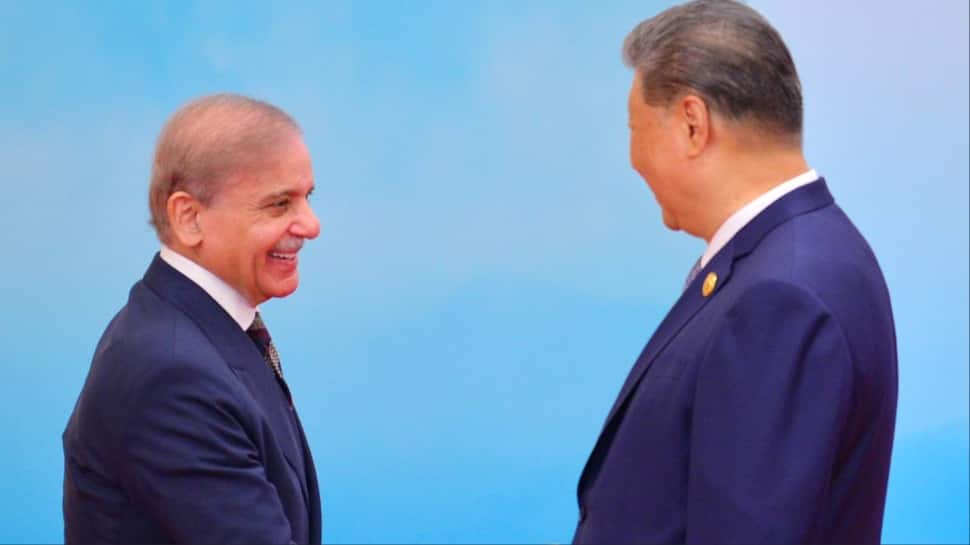

The narrative of China and Pakistan as an ‘iron brotherhood’ may be evolving into a more pragmatic alliance, driven by contemporary geopolitical shifts and the necessity for tangible outcomes. Reports suggest that the traditional, emotionally charged descriptions of their bond are giving way to a focus on mutual delivery and strategic clarity, indicating a significant recalibration of their partnership.
While the term ‘iron brotherhood’ has long symbolized the close ties between Beijing and Islamabad, it has also been criticized for fostering disproportionate expectations within Pakistan. This framing has, at times, implied an unconditional commitment from China, regardless of Pakistan’s own performance or policy decisions. The need to move beyond such rhetoric towards a more grounded understanding of the relationship is becoming increasingly apparent.
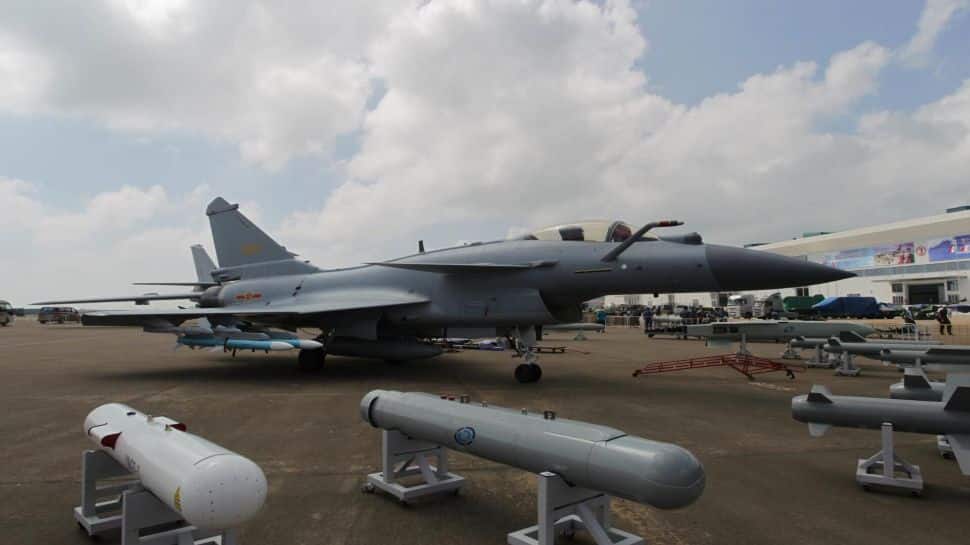
The strategic underpinnings of the alliance remain robust. Pakistan’s strategic location, offering China crucial access to the Arabian Sea through the Gwadar Port, remains a significant advantage. For China, Pakistan serves as a vital ally in the Muslim world and a key partner in its pursuit of a new global order. Pakistan, in turn, benefits immensely from Chinese economic assistance, particularly through the China-Pakistan Economic Corridor (CPEC), which has brought substantial investment, advanced military technology, and crucial diplomatic support.
The CPEC itself has highlighted the practical challenges of the partnership. While the project has spurred infrastructure development and power generation, Pakistan has encountered difficulties in establishing a complementary industrial base, overcoming bureaucratic inertia, and managing its growing national debt. Consequently, Chinese investors are adopting a more cautious stance, closely observing Pakistan’s macroeconomic stability.
With Pakistan’s public debt at over 70% of GDP and the strictures of an IMF program, the efficient implementation of projects is now a matter of economic survival. This reality has tempered initial optimism regarding CPEC, leading Beijing to prioritize ventures with clearer financial returns and better risk mitigation strategies. The era of unreserved financial backing is reportedly drawing to a close, replaced by a demand for demonstrable fiscal prudence and effective governance.
Furthermore, China’s security concerns, exacerbated by attacks on its nationals in Pakistan, are a growing point of friction. Pakistan’s recent diplomatic overtures towards the United States, a major strategic rival of China, have also introduced complexities, casting doubt on the feasibility of Pakistan maintaining equally beneficial relationships with both powers.
In essence, the changing global dynamics necessitate a China-Pakistan relationship built on the solid foundation of mutual delivery and clear strategic objectives, rather than emotional appeals. The ‘iron brotherhood’ is likely to be redefined by pragmatism, demanding that Pakistan prove itself as a stable, secure, and reliable partner. Failing to deliver on these fronts could lead to significant strategic disappointment, a risk Pakistan can ill afford to take.