
China’s economic momentum has significantly eased, with its Gross Domestic Product (GDP) growing by a mere 4.8% in the third quarter, representing the slowest pace in a year. This slowdown stems from a combination of escalating trade disputes with the United States and weak domestic consumption. The U.S. President’s threat to impose substantial tariffs, potentially reaching 100% from November, adds another layer of uncertainty for Beijing. The nation’s heavy reliance on exports raises critical questions about its ability to enact the structural reforms necessary for long-term economic stability.
In contrast, India is experiencing a remarkable economic upswing. The country posted a strong 7.8% GDP growth in the first quarter of FY 2025-26 (April-June 2025), positioning itself as a key player in driving global economic expansion. With China facing economic challenges, the world’s focus is increasingly shifting towards India as a vital center for growth and investment.
Analysis of China’s third-quarter GDP data confirms a growth rate of 4.8%, falling short of previous quarters. While economists anticipate the annual growth might hover around 5%, possibly with government stimulus, persistent issues are evident. Lingering weak consumer confidence, stagnant investment, and downward pressure on property prices are significant concerns that require urgent policy intervention. China’s strategy to counter the slowdown has heavily emphasized manufacturing and exports, but this approach may entrench structural imbalances.
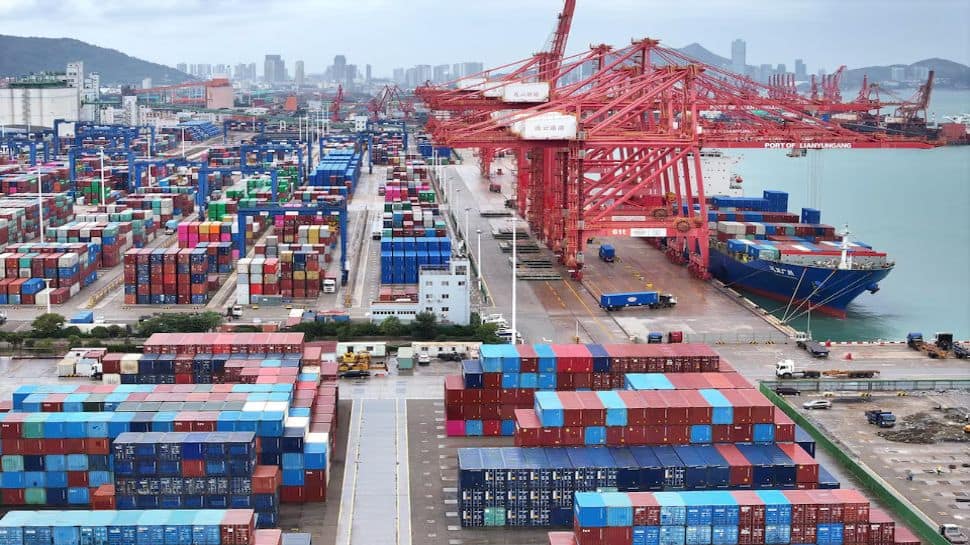
Recent trade statistics reveal a notable shift in China’s export destinations. Shipments to the United States have seen a sharp decline of 27% year-on-year. However, exports to the European Union, Southeast Asia, and Africa have surged, growing by 14%, 15.6%, and a substantial 56.4%, respectively. Despite these international gains, domestic demand remains subdued, with retail sales in September hitting a ten-month low. The battle against inflation continues, even as China attempts to manage overcapacity and sustain export competitiveness.
Profitability for Chinese companies is under pressure as they compete fiercely in non-U.S. markets, leading to reduced margins and questions about the sustainability of export-driven growth. The threat of significant U.S. tariffs, though potentially negotiable, creates a challenging environment for businesses. For instance, a Chinese aluminum exporter has witnessed an 80-90% reduction in orders from the U.S., significantly impacting overall revenue and forcing a strategic pivot towards new geographical markets. This necessitates significant adaptation, including exploring new languages and increasing international travel, but the impact of lost U.S. business is profound.
As China grapples with these economic complexities, India’s accelerated growth trajectory offers a bright prospect. Driven by robust domestic demand, government initiatives like production-linked incentives, and ongoing structural reforms, India is emerging as a preferred hub for global manufacturing and capital. The ongoing property market crisis and weak consumer spending in China are encouraging global companies to diversify their supply chains and investments, creating a significant opportunity for India to enhance its role in the global economy and potentially reshape the economic landscape of Asia.