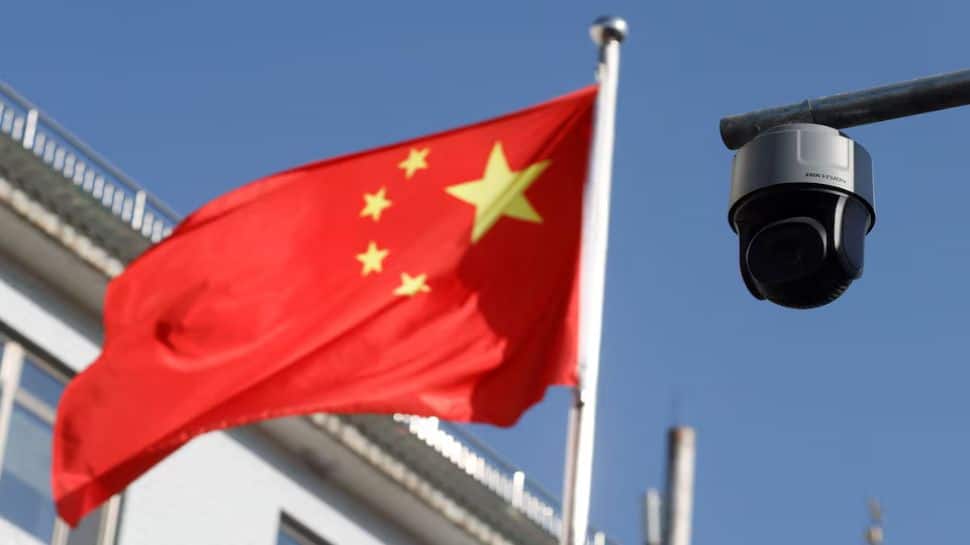

China’s grip on dissent is a sophisticated, invisible web where actions in major urban centers like Shanghai have profound implications for distant regions like Xinjiang and Tibet. Peaceful assemblies, even small neighborhood gatherings in cosmopolitan Shanghai, are swiftly suppressed, sending a clear message to ethnic minorities nationwide: dissent is unwelcome, irrespective of geography or ethnicity. This reinforcement of state power, even in seemingly open cities, deepens the existing climate of fear for Uyghurs, Tibetans, and Mongolians. They perceive these crackdowns as universal warnings, highlighting that the limits on expression apply equally everywhere. The underlying principle is that any deviation from official expectations, however minor, is unacceptable. The quiet, early, and systematic nature of these crackdowns is particularly effective. Post-intervention questioning or detention, often without public fanfare, amplifies the sense of pervasive surveillance. This method mirrors tactics long employed in regions like Xinjiang, where residents are constantly monitored. When these same control mechanisms appear in Shanghai, it underscores the nationwide reach of China’s security apparatus. Relatives of exiled minority members consistently report increased caution within China following such events. This leads to a withdrawal from community gatherings, a reduction in contact with potentially ‘troublesome’ individuals, and a stricter self-censorship online. Even social interactions are carefully managed to avoid any perception of organized dissent. Nationwide, online monitoring intensifies, further restricting information flow and isolating minority communities. Communication with those abroad becomes cautious, limited to safe subjects, and devoid of local context. This pervasive atmosphere erodes personal safety and limits the space for individual expression, forcing minority populations to navigate their lives under constant, internalized scrutiny. The message emanating from Shanghai and similar cities is stark: individual freedoms are subordinate to state-defined norms, impacting daily life from remote towns to bustling metropolises.