
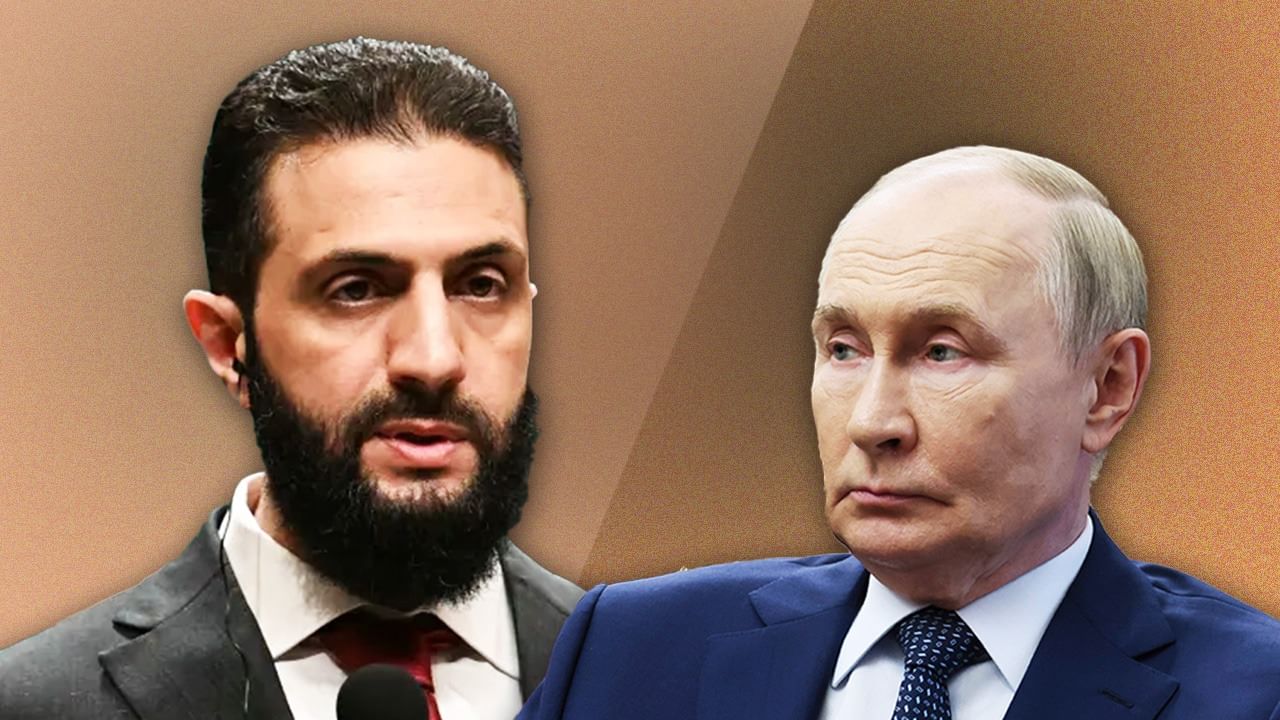

Following the formation of a new government, Syria’s foreign policy is undergoing a significant transformation. President Ahmed Al-Shara has chosen to redirect his focus, opting to engage with Russia instead of relying on support from the United States or Saudi Arabia. A report in Kommersant reveals that Syrian Foreign Minister Asad Al-Shabaani, during a meeting with the Syrian community in Moscow on August 1st, announced that Damascus had asked Russia to reinstate its military police patrols near the Israeli border. Syria’s strategic move is rooted in its assessment of the geopolitical landscape. The government believes that the return of Russian military police to the Golan Heights buffer zone can reduce Israeli interference. The new leadership is optimistic that Russia can ensure stability in the border regions and maintain communication lines between Syria and Israel. This approach reflects Syria’s efforts to bolster its security and navigate the complexities of international diplomacy. The Russian military police had been deployed in the buffer zone for an extended period, with a mandate to prevent conflict and uphold international agreements. However, approximately nine months after the downfall of the former President Bashar al-Assad’s government, Russia withdrew its military police. This move led to a surge in Israeli activities along the border, causing growing concern within the new Syrian government. The ongoing dialogue between the Syrian government and Russia centers on strategic matters, including the presence of Russian forces in key areas like Tartus and Latakia. These discussions transcend mere border security considerations, encompassing the goal of cementing Russia’s role as a long-term partner for Syria. According to Kommersant, Syria’s request to Russia serves as a clear message to Israel, signaling the new government’s disapproval of its continued presence on Syrian soil. Furthermore, it indicates the possibility of reaching an understanding with Russia, viewed by the Syrian government as crucial for regional stability and the balance of power.